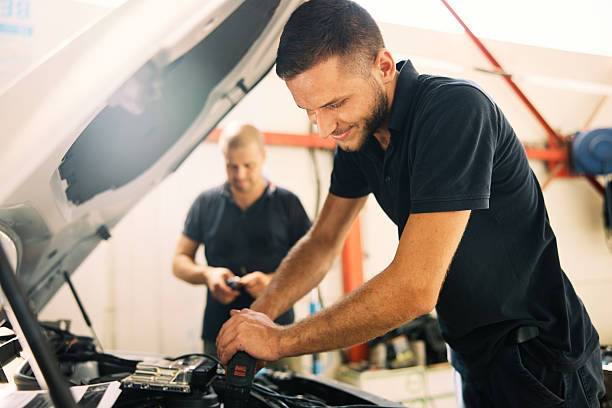
As the transportation industry continues to grow, so do the challenges faced by fleet managers. Ensuring the maintenance of vehicles is a top priority, but it can be a daunting task, especially for those who are new to the industry. However, with the right strategies and solutions in place, fleet managers can rest assured that their vehicles are running smoothly and efficiently. This article will explore the top fleet maintenance solutions for growing transportation fleets, providing valuable insights and guidance for those looking to optimize their vehicle maintenance routine.
Regular Vehicle Inspections
Regular vehicle inspections are a crucial aspect of fleet maintenance. A thorough inspection can help identify potential issues before they become major problems, saving time and money in the long run. It’s recommended to inspect vehicles daily, focusing on key areas such as the engine, transmission, brakes, and tires. This can be done in-house or outsourced to a third-party provider, depending on the size and complexity of the fleet.
- Check oil and fluid levels regularly
- Inspect tire pressure and tread depth
- Look for signs of wear on brake pads and rotors
- Check for any signs of leaks or damage to the engine and transmission
For more information on how to conduct a thorough vehicle inspection, explore further insights here: Read more about this topic.
Implementing a Preventive Maintenance Program
A preventive maintenance program is a proactive approach to vehicle maintenance, focusing on scheduled maintenance tasks to prevent breakdowns and extend the lifespan of vehicles. This can include tasks such as oil changes, filter replacements, and belt replacements. By implementing a preventive maintenance program, fleet managers can reduce downtime, lower maintenance costs, and improve overall vehicle reliability.
- Schedule regular oil changes and filter replacements
- Replace belts and hoses as necessary
- Monitor and maintain tire pressure
- Keep a record of all maintenance tasks and repairs
For a detailed guide on implementing a preventive maintenance program, learn more in this detailed guide: Explore further insights here.
Training and Certification
Training and certification are essential for fleet managers and technicians to ensure they have the necessary skills and knowledge to maintain vehicles effectively. This can include training on specific maintenance procedures, as well as certification programs for technicians. By investing in training and certification, fleet managers can ensure their vehicles are being maintained to the highest standards.
- Provide regular training sessions for fleet managers and technicians
- Invest in certification programs for technicians
- Encourage ongoing learning and professional development
For additional resources on training and certification, find additional information here: Continue reading on this page.
Conclusion
In conclusion, maintaining a growing transportation fleet requires a proactive and strategic approach. By implementing regular vehicle inspections, preventive maintenance programs, and training and certification, fleet managers can ensure their vehicles are running smoothly and efficiently. Remember to always keep records of maintenance tasks and repairs, and to continuously monitor and evaluate your maintenance routine to identify areas for improvement.
About the Author