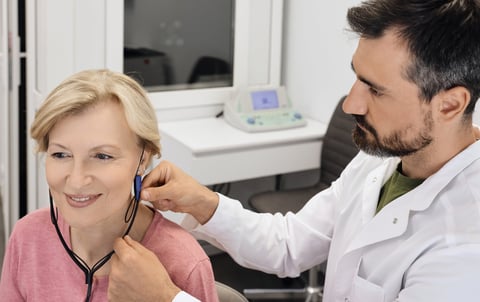
Maintaining optimal hearing health is essential for quality of life at any age. From childhood classrooms to senior-center gatherings, clear sound enables effective communication, safety, and social engagement. Modern hearing care solutions combine advanced technology with personalized strategies, helping individuals of all ages achieve the best possible auditory experience. This article explores the most effective approaches, from preventative habits to sophisticated assistive devices, and highlights how they can be integrated into everyday life.
Preventative Strategies for All Ages
Proactive measures reduce the risk of hearing loss and support long-term auditory health. The following practices are recommended for children, adults, and seniors alike:
- Noise Management: Limit exposure to loud environments. Use ear protection in concerts, construction sites, or while operating power tools.
- Regular Check-ups: Schedule hearing screenings at least once every two years, or more frequently if you have risk factors such as a family history of hearing loss.
- Healthy Lifestyle: Maintain cardiovascular health through exercise and a balanced diet, as good blood flow supports the delicate structures of the inner ear.
- Avoid Ototoxic Substances: Discuss medication side effects with a healthcare professional; some antibiotics and chemotherapy agents can affect hearing.
For a deeper look at how these habits integrate with broader hearing wellness, continue reading on this page.
Hearing Assessment Techniques
Pure-Tone Audiometry
This standard test measures the softest sounds a person can hear at various frequencies. Results are plotted on an audiogram, providing a clear visual of hearing thresholds.
Speech-In-Noise Testing
Evaluates the ability to understand spoken words amid background sounds, reflecting real-world listening challenges. It helps clinicians tailor interventions that improve everyday communication.
Otoacoustic Emissions (OAEs)
OAEs assess the function of outer hair cells in the cochlea. The test is quick, non-invasive, and especially useful for screening newborns and young children.
Professional guidelines recommend combining these assessments for a comprehensive picture of auditory health. read more about this topic for detailed explanations of each method.
Assistive Technologies
When preventative measures and early detection are insufficient, assistive devices can restore clarity and confidence.
- Hearing Aids: Modern digital hearing aids feature noise reduction, feedback cancellation, and wireless connectivity to smartphones and televisions.
- Personal Sound Amplifiers: Ideal for occasional use in specific settings such as lectures or meetings.
- Cochlear Implants: For individuals with severe to profound sensorineural loss, implants bypass damaged hair cells and directly stimulate the auditory nerve.
- Assistive Listening Devices (ALDs): Include FM systems, loop systems, and infrared devices that transmit sound directly to a receiver, reducing background noise.
Choosing the right solution depends on the type and severity of loss, lifestyle needs, and personal preferences. learn more in this detailed guide to understand the selection process.
Customization and Fitting Process
Effective hearing care hinges on precise fitting and ongoing adjustments.
- Initial Consultation: Audiologist conducts comprehensive testing and discusses lifestyle goals.
- Device Selection: Based on test results, a suitable device class is recommended.
- Real-Ear Measurement: Verifies that the device delivers the prescribed amplification in the wearer’s ear canal.
- Follow-Up Appointments: Fine-tuning occurs over several weeks to ensure comfort and optimal performance.
Regular follow-ups are essential, as hearing needs may evolve with age or changes in environment. explore further insights here for best practices in long-term device management.
Integrating Hearing Care into Daily Life
Beyond devices, behavioral strategies enhance communication:
- Position yourself to face speakers directly.
- Ask for clarification when needed; repeat or rephrase questions.
- Utilize captioning services on television and video platforms.
- Maintain a quiet environment when possible; reduce background noise.
Technology can also support these habits. Many smartphones offer live transcription and hearing-aid compatibility, allowing seamless interaction with digital content.
Future Trends in Hearing Care
Research continues to expand the possibilities for hearing restoration:
- Artificial Intelligence (AI): AI algorithms improve noise classification and adaptive sound processing in hearing aids.
- Gene Therapy: Early studies target genetic causes of hearing loss, aiming to restore hair cell function.
- Smart-Ear Devices: Integrated health monitoring (e.g., heart rate, fall detection) combined with auditory assistance.
Staying informed about emerging technologies ensures individuals can make proactive choices as new options become available. find additional information here.
Conclusion
Clear sound at any age is achievable through a blend of preventive care, accurate assessment, personalized assistive technology, and practical communication strategies. By adopting these evidence-based solutions, individuals can preserve hearing health, enhance daily interactions, and enjoy a richer auditory experience throughout their lives.
About the Author