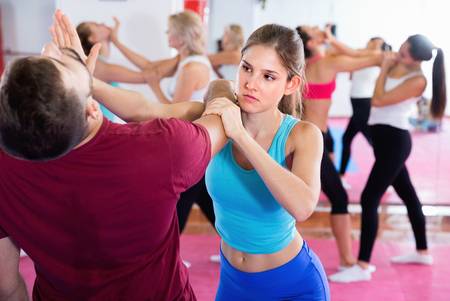
In today’s fast-paced world, the significance of instilling resilience and strength in young individuals cannot be overstated. Martial arts, a practice with roots steeped in history, provides a unique blend of physical training and mental fortitude. As youth engage in martial arts, they are not only learning self-defense techniques but also fostering attributes such as discipline, confidence, and respect. This article delves into how martial arts contributes to the holistic development of young individuals, offering a pathway to both physical and mental empowerment.
Physical Benefits of Youth Martial Arts
Martial arts is renowned for its physical benefits, providing a comprehensive workout that enhances various aspects of physical health. The structured routines and diverse techniques help young practitioners improve their:
- Strength and Conditioning: Regular practice builds muscle strength and endurance.
- Flexibility: Techniques emphasize stretching and movement, improving overall flexibility.
- Cardiovascular Health: Intense workouts increase cardiovascular fitness.
- Agility and Coordination: Quick movements and reflex drills enhance motor skills.
Discover expert strategies here to further explore the physical advantages of martial arts for youth.
Mental and Emotional Growth
Building Confidence and Discipline
Engaging in martial arts is a journey of self-discovery and empowerment. The structured environment promotes discipline, a key factor in building confidence. As young martial artists progress through different belt levels, they experience a sense of achievement that boosts their self-esteem. This newfound confidence often translates into other areas of life, including academic and social settings.
Learn about our tailored solutions here to support the mental growth of young martial artists.
Stress Management and Emotional Resilience
Martial arts also plays a pivotal role in emotional development. The practice involves mindfulness and concentration, which are effective tools for managing stress and anxiety. Young practitioners learn to focus their energy positively, honing resilience that will serve them well in life’s challenges.
Explore advanced guides and tips here for strategies on incorporating mindfulness practices in martial arts.
Social Skills and Respect
Participation in martial arts fosters a sense of community and camaraderie. The dojo is a place where respect and etiquette are paramount, teaching young individuals the value of treating others with kindness and understanding. These are some of the key social benefits:
- Teamwork: Partner drills and group exercises promote cooperation.
- Respect for Authority: Following instructions from instructors instills respect for authority.
- Peer Interaction: Engaging with peers in a structured environment enhances social skills.
Find out more about this approach here to understand the social impact of martial arts training.
Conclusion
Youth martial arts offers a myriad of benefits that extend far beyond physical fitness. By nurturing both the body and the mind, martial arts provides young individuals with essential life skills that contribute to their overall well-being. Whether it’s developing discipline, enhancing confidence, or building social skills, martial arts presents a holistic approach to personal development. Encouraging young people to embark on this journey can set them on a path to success, equipping them with the tools needed to navigate the complexities of life.
About the Author

.webp)