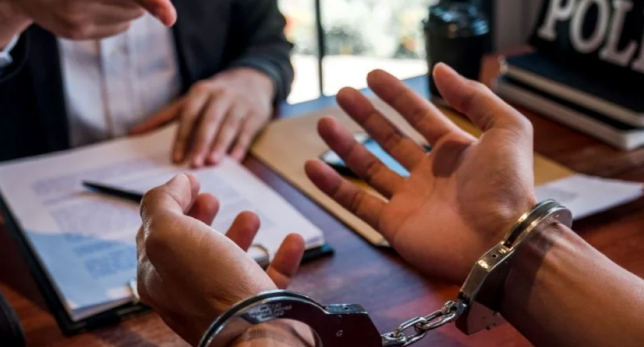
When a criminal charge is filed, the stakes are high and the legal landscape can feel overwhelming. The right attorney can make the difference between a favorable resolution and a detrimental outcome. Locating a qualified criminal law attorney nearby provides not only convenience but also a deeper understanding of local courts, prosecutors, and procedural nuances. This article explores why a nearby criminal law attorney is essential, what qualities to look for, and how to maximize the attorney-client relationship for the best possible result.
Proximity Enhances Communication and Strategy
Being able to meet face-to-face on short notice is a distinct advantage. In criminal matters, timely decisions often determine whether evidence is preserved, witnesses are secured, or plea negotiations succeed.
- Rapid response: Local attorneys can appear in court quickly, file motions promptly, and address urgent procedural deadlines.
- Personal rapport: In-person consultations foster trust, allowing clients to share sensitive details without the barrier of distance.
- Local insight: Familiarity with the jurisdiction’s judges, prosecutors, and law enforcement practices can shape a more effective defense strategy.
Specialized Knowledge of State and Local Criminal Law
Criminal statutes vary widely from one state to another, and even within counties. A lawyer who practices in the same area where the case is filed is more likely to stay current on recent legislative changes, precedent-setting decisions, and procedural quirks.
Key Areas of Expertise
- Drug offenses and controlled substance statutes
- Domestic violence and protective order cases
- White-collar crimes such as fraud, embezzlement, and cybercrime
- Driving under the influence (DUI) and related traffic violations
- Sexual assault and related felony charges
For a deeper dive into these practice areas, Discover expert strategies here.
Cost Efficiency Through Local Resources
Hiring an attorney who works locally often reduces travel expenses, court filing fees, and ancillary costs associated with out-of-area counsel. Moreover, local attorneys typically have established relationships with court staff, which can streamline administrative processes and avoid unnecessary delays.
Tailored Defense Strategies Aligned with Community Standards
Community attitudes toward certain offenses can influence prosecutorial discretion and sentencing outcomes. A lawyer embedded in the community understands these subtleties and can tailor arguments that resonate with local juries and judges.
- Utilizing local case law to support motions to dismiss or suppress evidence.
- Presenting mitigating factors that reflect community values, such as employment history or family responsibilities.
- Negotiating plea agreements that consider typical sentencing trends in the jurisdiction.
To explore how a localized approach can affect case results, Learn about our tailored solutions.
Comprehensive Support Throughout the Criminal Process
A competent criminal law attorney offers more than courtroom representation. The support network often includes investigators, forensic experts, and paralegals who collaborate to build a robust defense.
Stages of Representation
- Pre-arrest counseling: Advice on interacting with law enforcement and protecting constitutional rights.
- Arrest and booking: Immediate presence to observe procedures and challenge unlawful detention.
- Pre-trial motions: Filing motions to suppress evidence, dismiss charges, or change venue.
- Plea negotiations: Crafting agreements that minimize penalties while preserving future opportunities.
- Trial advocacy: Presenting evidence, cross-examining witnesses, and delivering compelling arguments.
- Post-conviction relief: Pursuing appeals, sentence modifications, or expungements when appropriate.
For an overview of these services, Explore advanced guides and tips.
How to Choose the Right Criminal Law Attorney Near You
Selecting counsel is a critical decision. Consider the following criteria to ensure the attorney you hire aligns with your needs:
- Experience: Look for a track record of handling cases similar to yours, preferably with successful outcomes.
- Reputation: Check client testimonials, peer reviews, and disciplinary records.
- Communication style: Choose someone who explains legal concepts clearly and keeps you informed.
- Fee structure: Understand whether the attorney works on a flat fee, hourly rate, or contingency basis, and confirm any additional costs.
- Accessibility: Verify that the office location and hours accommodate your schedule.
For additional guidance on evaluating legal professionals, Find out more about this approach.
Conclusion
Facing criminal charges demands swift, knowledgeable, and locally attuned representation. A criminal law attorney near you offers the strategic advantage of proximity, specialized knowledge of state and local statutes, cost efficiencies, and a defense tailored to community expectations. By investing time in selecting an experienced, reputable attorney, you position yourself for the strongest possible outcome. The right legal partner can navigate complex procedures, protect constitutional rights, and work toward the most favorable resolution, whether that means a dismissal, reduced charges, or a negotiated plea.
About the Author