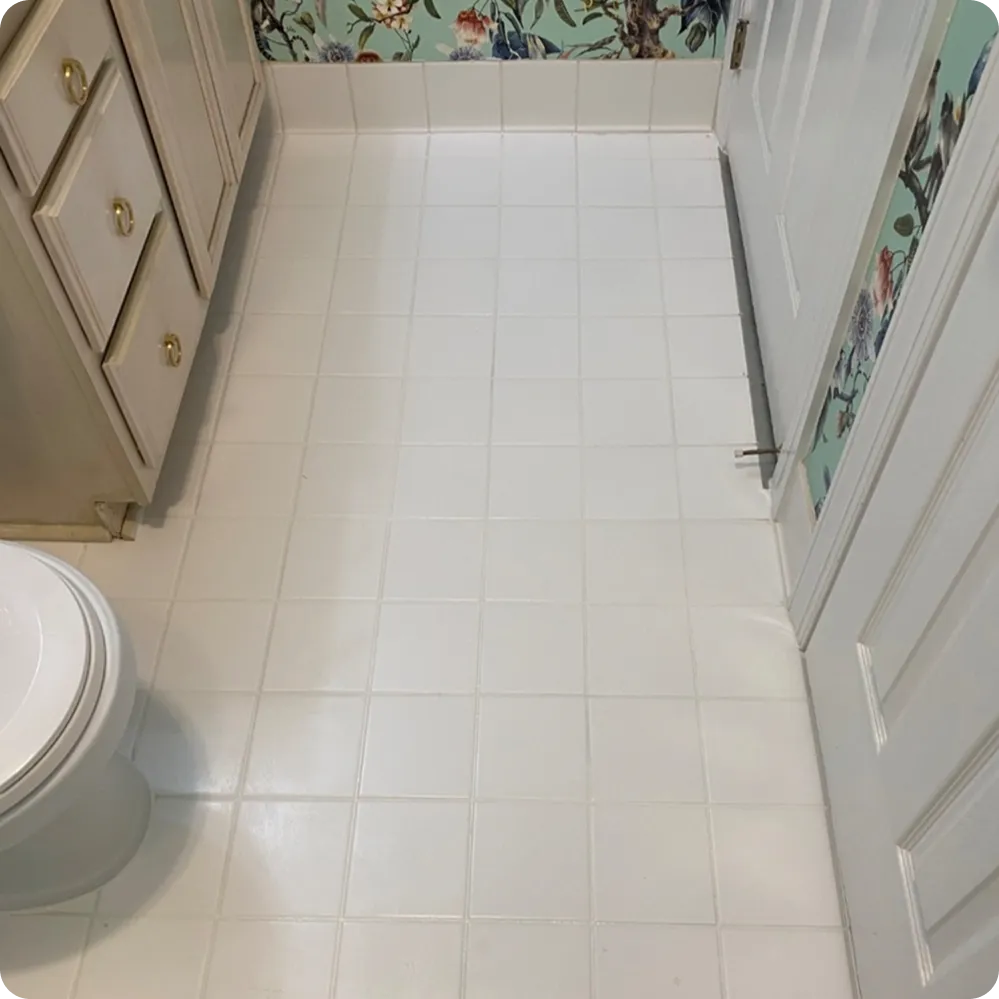
Tile surfaces add both durability and aesthetic appeal to residential and commercial spaces, yet over time they can become dull, stained, or damaged from daily wear, moisture, and foot traffic. Restoring tile to its original shine not only improves visual appeal but also extends the lifespan of the flooring, reduces the need for costly replacements, and maintains a healthy environment by eliminating hidden grime. This article explores the essential aspects of tile restoration services, from assessment and preparation to the techniques and maintenance practices that keep tiles looking their best.
Understanding Tile Restoration
Tile restoration is a systematic process that removes surface imperfections, eliminates deep stains, and restores the original luster of both glazed and unglazed tiles. The service typically involves cleaning, polishing, sealing, and, when necessary, repairing cracks or chips. By addressing the root causes of discoloration and wear, restoration can rejuvenate a space without the disruption and expense of full tile replacement.
Key Benefits
- Cost Efficiency: Restoring existing tile is generally less expensive than installing new flooring.
- Enhanced Appearance: A polished surface reflects light, making rooms feel larger and brighter.
- Improved Durability: Proper sealing protects against moisture infiltration and future staining.
- Healthier Environment: Deep cleaning removes mold, bacteria, and allergens trapped in grout lines.
Assessment and Preparation
Before any work begins, a thorough evaluation of the tile condition is essential. Professionals inspect for:
- Surface scratches, etching, or glaze wear.
- Cracked or loose tiles.
- Stubborn stains from oil, rust, or organic matter.
- Condition of grout and the presence of mold or mildew.
Based on the findings, a customized restoration plan is developed. This plan outlines the required cleaning agents, equipment, and any necessary repairs. For a deeper dive into the assessment process, Read more about this topic.
Core Restoration Techniques
1. Deep Cleaning
Effective tile restoration starts with removing surface grime and embedded dirt. Methods include:
- High-pressure steam cleaning to loosen particles.
- pH-balanced detergents that protect tile integrity.
- Specialized grout cleaning solutions for porous areas.
When executed correctly, deep cleaning prepares the surface for polishing and sealing, ensuring optimal adhesion.
2. Polishing and Buffing
Polishing restores shine by mechanically smoothing the tile surface. The process typically involves:
- Grinding with progressively finer abrasive pads.
- Buffing with a polishing compound to achieve a high-gloss finish.
- Using diamond-treated pads for stone or porcelain tiles.
For detailed guidance on polishing methods, Learn more in this detailed guide.
3. Sealing
Sealing creates a protective barrier that repels moisture and stains. Types of sealants include:
- Penetrating sealers that soak into porous tiles and grout.
- Topical sealers that form a glossy film on the surface.
- Hybrid sealers offering both penetration and surface protection.
Choosing the appropriate sealer depends on tile material, traffic level, and desired finish. Explore further insights here.
4. Repair and Regrouting
Cracked tiles or deteriorated grout lines compromise both aesthetics and structural integrity. Restoration may involve:
- Replacing individual broken tiles without disturbing surrounding areas.
- Removing old grout and applying new, high-performance grout.
- Applying grout sealant to prevent future staining.
Effective repair ensures a seamless appearance and prolongs the life of the flooring system. For more on regrouting techniques, Find additional information here.
Choosing the Right Restoration Service
Selecting a qualified provider is critical to achieving lasting results. Consider the following criteria:
- Experience: Technicians should have documented experience with various tile types.
- Equipment: Modern, industry-standard tools such as variable-speed grinders and low-dust extraction systems.
- Materials: Use of OEM-grade cleaning agents, sealers, and grout compatible with the specific tile.
- Warranty: Clear warranty terms that cover workmanship and material performance.
Maintenance After Restoration
Preserving the renewed shine requires regular upkeep. Recommended practices include:
- Routine sweeping or vacuuming to remove abrasive particles.
- Using pH-neutral cleaners specifically formulated for sealed tile.
- Promptly addressing spills, especially acidic or oil-based substances.
- Re-sealing high-traffic areas every 12-18 months, or as advised by the restoration professional.
Consistent maintenance not only keeps tiles looking pristine but also extends the effectiveness of the sealant, reducing the frequency of future restorations.
Environmental Considerations
Modern tile restoration emphasizes eco-friendly practices. Many services now opt for biodegradable cleaning solutions, low-VOC sealants, and equipment that minimizes water usage. Selecting a provider with a sustainability focus contributes to healthier indoor air quality and reduces environmental impact.
Conclusion
Tile restoration offers a practical, cost-effective solution for reviving the appearance and performance of tiled surfaces. By understanding the assessment process, core techniques, and post-restoration maintenance, property owners can make informed decisions that safeguard their investment. Whether for residential kitchens, commercial lobbies, or high-traffic hallways, a well-executed restoration brings back the original shine while enhancing durability and hygiene. For further reading on best practices and industry standards, Read more about this topic.
About the Author