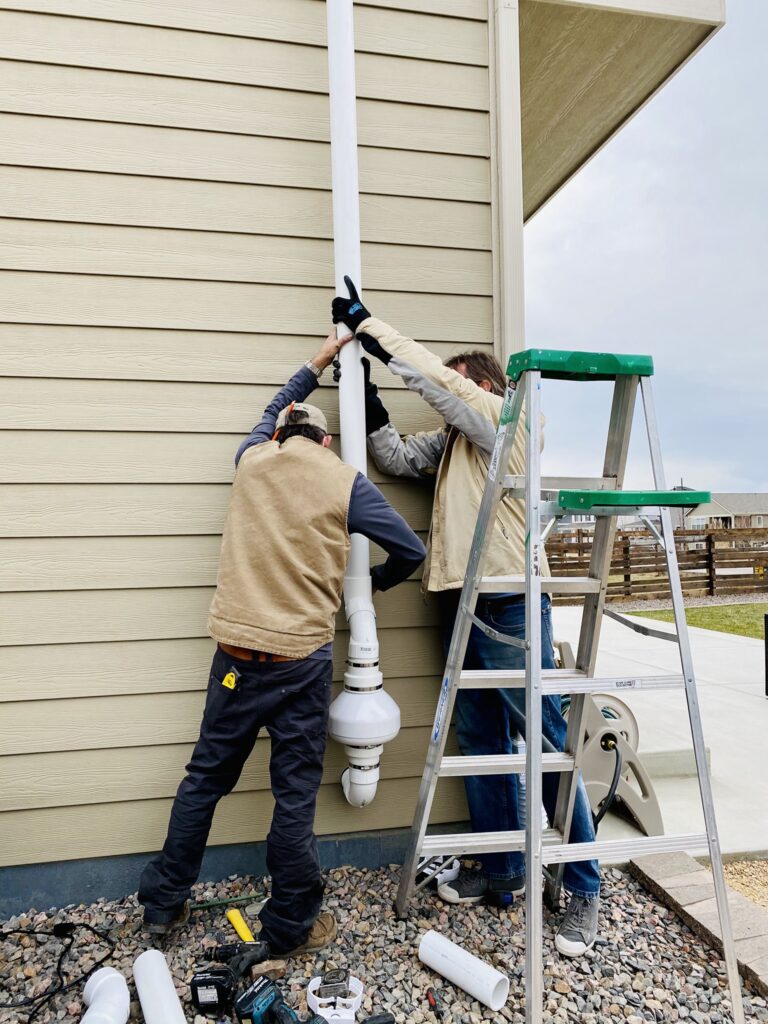
Radon mitigation is a crucial consideration for homeowners, especially in areas like Denver where radon levels can be significantly higher than the national average. Understanding the importance of radon mitigation, identifying the signs of elevated radon levels, and knowing the options available for mitigation can protect families and enhance the quality of indoor air. This comprehensive guide aims to equip Denver residents with the knowledge necessary to address radon concerns effectively and safely.
Understanding Radon and Its Risks
Radon is a naturally occurring radioactive gas that is invisible, tasteless, and odorless, making it difficult to detect without specialized equipment. It is produced from the natural breakdown of uranium in soil, rock, and water and can accumulate in homes, particularly in basements and lower levels.
Why Radon Is a Concern in Denver
Denver’s geological composition often results in higher radon levels. The combination of soil characteristics and building techniques can contribute to elevated indoor radon concentrations, which poses a significant health risk. Prolonged exposure to high levels of radon is known to cause lung cancer, ranking as the second leading cause after smoking.
Testing for Radon
Before considering mitigation, testing for radon is essential. Homeowners in Denver should prioritize regular radon testing to ensure their living environment is safe. Here are key steps to consider:
- Purchase a do-it-yourself radon test kit from a hardware store or hire a professional to conduct the test.
- Conduct the test in the lowest part of your home where people spend time, such as basements or ground floors.
- Follow the instructions carefully to ensure accurate results.
- If the test reveals high levels of radon, consider retesting or moving forward with mitigation strategies.
For more information on testing procedures, discover expert strategies here.
Mitigation Techniques
Once high radon levels are confirmed, implementing effective radon mitigation strategies is crucial. The choice of technique largely depends on the specific conditions of the home. Consider these common methods:
Sub-Slab Depressurization
This is the most common and effective method for radon reduction. It involves the installation of a vent pipe system and fan, which pulls radon from beneath the house and vents it to the outside. This method is particularly effective for homes with basements.
Learn about our tailored solutions for different types of foundations and building structures.
Sealing
Sealing cracks and openings in the foundation and walls can limit radon entry. While not a standalone solution, sealing is often used in conjunction with other methods to enhance overall effectiveness.
Pressurization
This technique involves using a fan to create pressure differences, preventing radon from entering a home by pushing it back into the ground. It requires well-sealed homes and is often used in conjunction with other methods.
Choosing a Professional Mitigation Service
Engaging a qualified radon mitigation professional is advisable for effective and safe radon reduction. When choosing a service provider, consider the following:
- Verify their certifications and qualifications.
- Request references and check reviews from previous clients.
- Ensure they offer a comprehensive solution tailored to your home?s specific needs.
Explore advanced guides and tips for selecting the right service provider.
Post-Mitigation Testing and Maintenance
After mitigation systems are installed, it is important to conduct follow-up tests to verify that radon levels have been reduced effectively. Regular maintenance of the system is also crucial to ensure its continued efficiency and effectiveness over time.
Find out more about this approach to ensure long-term safety and peace of mind.
By understanding the risks associated with radon and implementing effective mitigation strategies, Denver homeowners can protect their families and enhance the safety of their living environments. Regular testing and professional consultation are key components in achieving a radon-safe home.
About the Author

.webp)