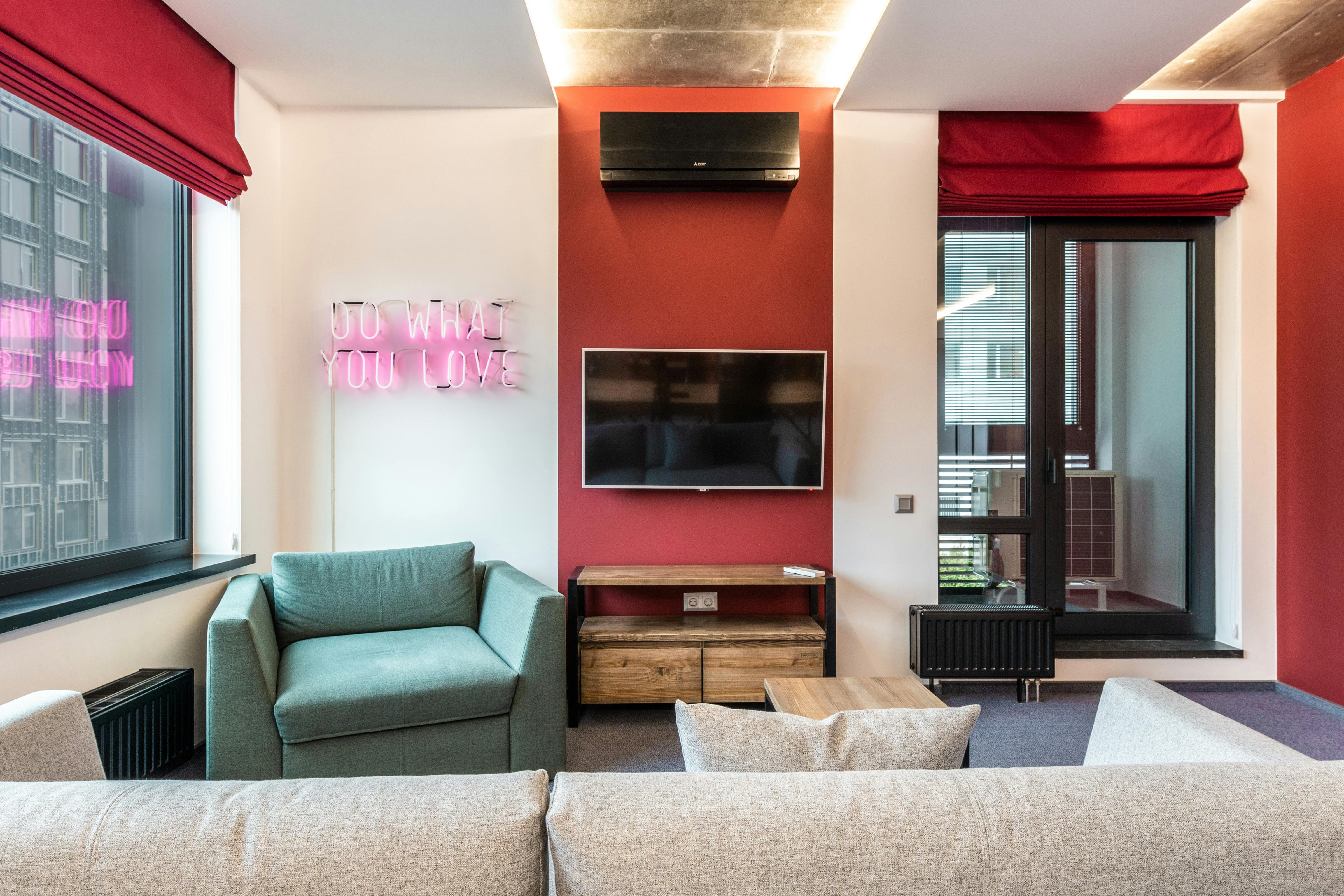
In the competitive world of hospitality, the experience offered to guests is paramount. From the moment they step into a hotel or resort, their perception is shaped by a variety of elements, among which interior design plays a crucial role. A well-crafted interior not only enhances aesthetic appeal but also significantly impacts guests’ overall satisfaction and comfort. The role of hospitality interior design extends beyond mere decoration; it is an integral part of creating an environment that resonates with the brand’s ethos and meets the expectations of discerning travelers.
The Influence of Interior Design on Guest Perception
Interior design in hospitality settings serves as the first point of contact with guests. It sets the tone for their stay and creates an atmosphere that can either be inviting or off-putting. Several key aspects highlight its influence:
- Aesthetic Appeal: The visual components, such as color schemes, furniture, and artwork, contribute to creating a distinctive ambiance. A cohesive design can evoke feelings of comfort and luxury.
- Functionality: Beyond beauty, the design must facilitate ease of movement and access to amenities, ensuring that spaces are both attractive and practical.
- Emotional Impact: Thoughtful design can elicit positive emotions, making guests feel valued and enhancing their overall experience.
For a deep dive into how design elements shape guest experiences, discover expert strategies here.
Key Elements of Effective Hospitality Interior Design
Spatial Layout and Flow
The layout of a space dictates how guests navigate and interact within it. An effective layout promotes a natural flow, guiding guests through the space seamlessly. Considerations include:
- Intuitive pathways that lead guests to key areas such as check-in counters and dining facilities.
- Open spaces that encourage interaction, while maintaining privacy where necessary.
- Strategic placement of furniture to enhance both functionality and aesthetics.
To learn about our tailored solutions for optimizing spatial layouts, find out more about this approach.
Lighting and Mood
Lighting is a powerful tool in interior design, capable of transforming the mood of a space. It is essential to balance natural and artificial lighting to create an environment that is both welcoming and functional.
- Ambient lighting to provide overall illumination and set the general tone.
- Accent lighting to highlight specific features, such as artwork or architectural details.
- Task lighting in areas where specific functions, like reading or working, occur.
For advanced guides and tips on using lighting effectively in hospitality spaces, explore advanced guides and tips.
Materials and Textures
The choice of materials and textures can significantly influence the sensory experience of guests. These elements should be chosen not only for their aesthetic qualities but also for their durability and ease of maintenance.
- Natural materials such as wood and stone for a warm, inviting atmosphere.
- Soft textiles for comfort and luxury in seating and bedding.
- Durable surfaces that withstand high traffic and wear, maintaining their appeal over time.
For insights into material selection in hospitality design, learn about our tailored solutions.
The Impact of Design on Guest Loyalty
A memorable design not only enhances the immediate experience but also contributes to long-term guest loyalty. When guests feel comfortable and inspired by their surroundings, they are more likely to return and recommend the establishment to others. Essential aspects include:
- Brand Consistency: The design should reflect the brand’s identity, creating a unique and cohesive experience across different locations.
- Personalization: Customizable elements that cater to individual preferences can elevate the guest experience.
- Innovative Features: Incorporating cutting-edge technology and unique design elements can set a property apart from its competitors.
To explore how design can enhance guest loyalty, find out more about this approach.
In conclusion, hospitality interior design is a pivotal component in crafting an exceptional guest experience. By focusing on aesthetics, functionality, and emotional impact, establishments can create environments that not only delight guests but also foster lasting connections. The role of design in hospitality is not merely about appearance; it is about building spaces that resonate with guests and leave a lasting impression.
About the Author

.webp)