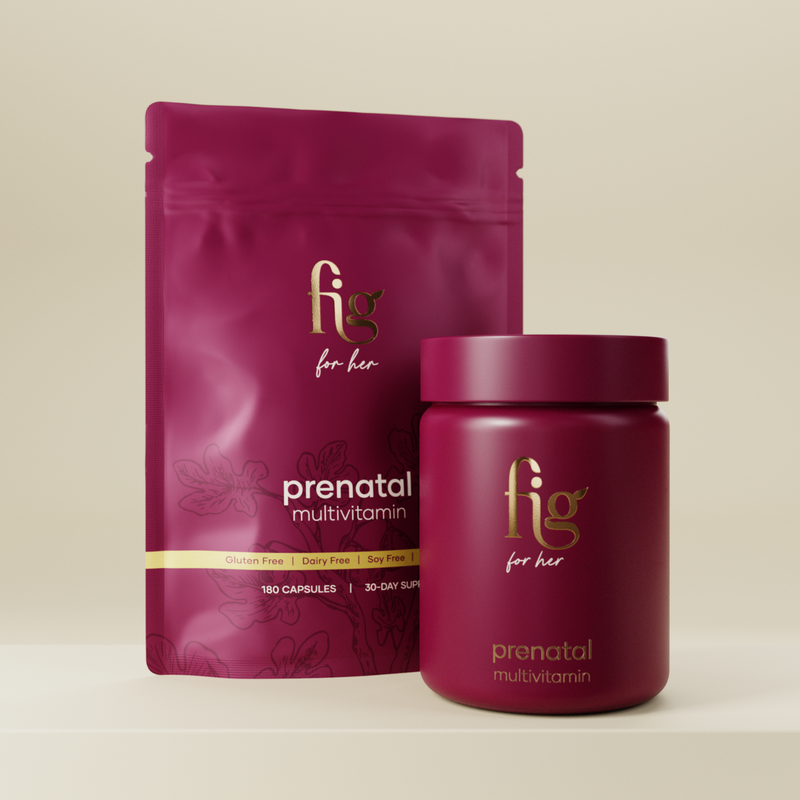
In today’s fast-paced world, maintaining optimal health is more important than ever, especially for women who often juggle multiple roles and responsibilities. A balanced diet is crucial, but sometimes even the healthiest of diets might fall short in providing all the necessary nutrients. This is where multivitamins come into play, acting as a supplement to fill in the nutritional gaps. Women have unique nutritional requirements that can vary based on age, lifestyle, and health goals. This comprehensive guide aims to explore what constitutes the best multivitamin for women, what to look for, and how specific formulations, such as prenatal vitamins for pregnancy, can cater to different life stages.
Why Women Need Multivitamins
Women’s nutritional needs differ from men’s due to various biological and physiological factors. Hormonal changes, menstruation, pregnancy, and menopause all play significant roles in shaping these needs. Multivitamins help in maintaining:
- Bone health: Calcium and Vitamin D are essential for strong bones, and women are more prone to osteoporosis as they age.
- Iron levels: Especially important during menstruation to prevent anemia.
- Heart health: Omega-3 fatty acids and antioxidants support cardiovascular health.
- Immune system strength: Essential vitamins like Vitamin C and Zinc can bolster immune defenses.
Key Ingredients to Look For
Vitamins and Minerals
When selecting a multivitamin for women, it is crucial to ensure that it contains certain key ingredients tailored to women’s health needs:
- Calcium and Vitamin D: Important for bone density and preventing osteoporosis.
- Iron: Essential for energy production and oxygen transport in the blood.
- Folate: Critical for DNA synthesis and repair, especially vital during pregnancy.
- Vitamin B12 and B6: Support energy metabolism and neurological function.
- Magnesium: Aids in muscle function and maintaining a healthy heart rhythm.
Additional Beneficial Compounds
Beyond vitamins and minerals, some multivitamins include additional compounds that offer extra health benefits:
- Omega-3 Fatty Acids: Support heart health and reduce inflammation.
- Probiotics: Promote digestive health and enhance nutrient absorption.
- Antioxidants like Vitamin E and Selenium: Protect cells from oxidative stress.
Considerations for Different Life Stages
Women”?s nutritional needs can evolve over time. Here”?s how multivitamins can cater to different life stages:
Young Adult Women
In their 20s and 30s, women often focus on maintaining energy, managing stress, and planning for potential motherhood. A multivitamin rich in B-vitamins, Vitamin C, and folate can be beneficial.
Pregnancy
During pregnancy, nutritional demands increase significantly. Prenatal vitamins for pregnancy are specially formulated to support both the mother”?s and the baby”?s health, providing adequate folic acid, iron, and DHA.
Post-Menopausal Women
For women over 50, bone health becomes a priority. Calcium, Vitamin D, and Vitamin K are essential to combat the increased risk of osteoporosis. Additionally, antioxidants can support overall health and vitality.
Choosing the Right Multivitamin
Selecting the right multivitamin involves considering one’s specific health needs, lifestyle, and dietary gaps. It”?s vital to consult with a healthcare provider to determine the most appropriate choice. Look for reputable brands that offer quality assurance and transparency about their ingredient sourcing and manufacturing processes.
In conclusion, while no supplement can replace a healthy diet, multivitamins can play a critical role in supporting women’s health at various stages of life. Understanding the importance of tailored nutrition can empower women to make informed choices about their health and wellbeing.
About the Author