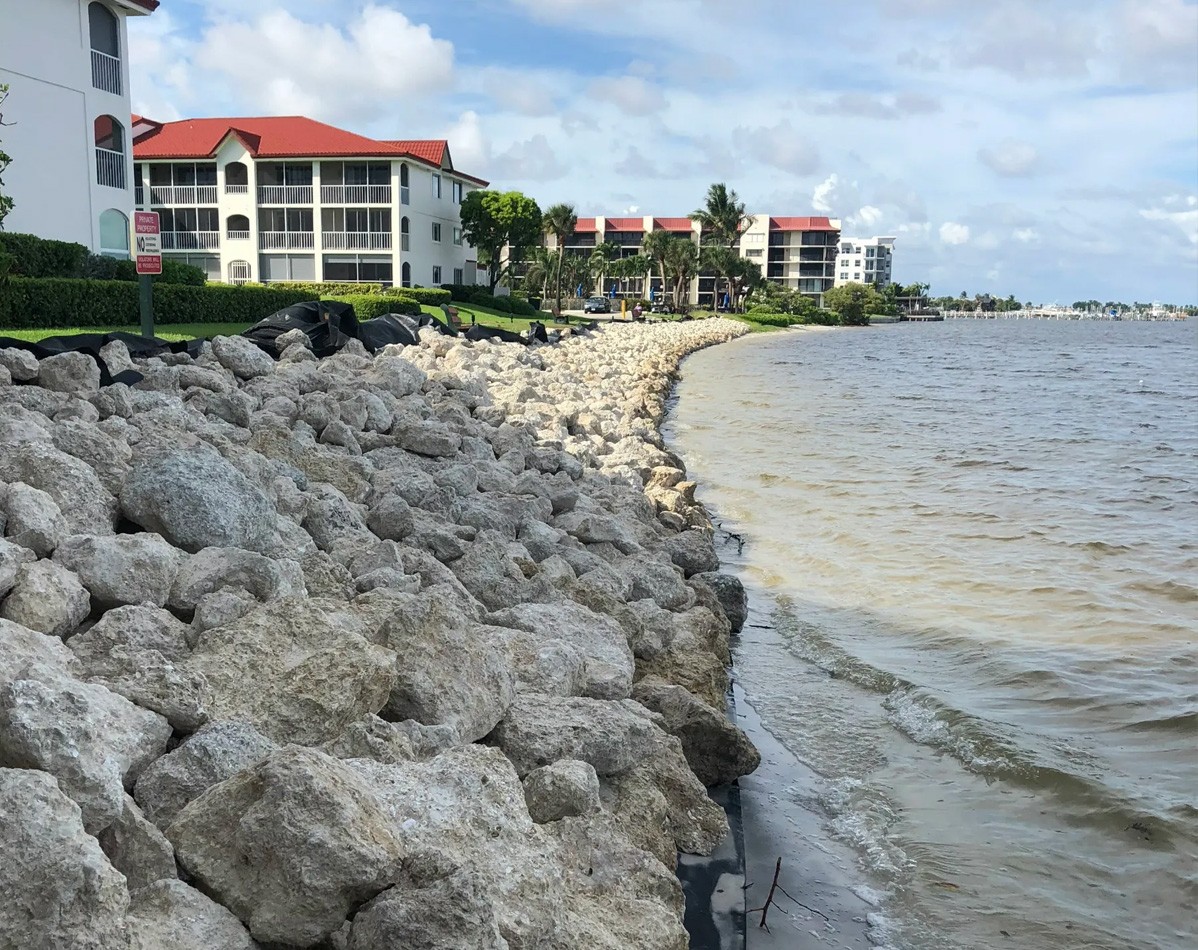
Rock revetments are essential structures used to protect shorelines and coastal areas from erosion and wave action. Their installation requires careful planning and a thorough understanding of the local marine environment. This guide walks through the step-by-step process of rock revetment installation, ensuring the structure is both effective and durable.
Understanding the Basics of Rock Revetment
Before delving into the installation process, it is crucial to grasp the fundamentals of rock revetments. These structures are typically comprised of large rocks or boulders, strategically placed along coastlines to absorb and deflect the energy of incoming waves. The primary goal is to minimize erosion and protect the coastline.
Preparation and Planning
Effective rock revetment installation begins with meticulous preparation and planning. This phase involves several critical steps:
- Conduct a thorough site assessment to understand the specific erosion issues and environmental conditions.
- Analyze the local marine environment, including wave patterns, tidal cycles, and sediment movement.
- Secure necessary permits and approvals from relevant authorities to ensure compliance with local regulations.
- Develop a detailed design plan, specifying the materials and construction methods to be used.
Discover expert strategies here.
Materials Selection
Choosing the Right Rocks
The choice of materials is a critical component of successful rock revetment installation. Consider the following factors when selecting rocks:
- Size: Larger rocks are generally more effective at dissipating wave energy.
- Shape: Angular rocks interlock better, providing a more stable structure.
- Durability: Select rocks that are resistant to weathering and erosion.
Find out more about this approach here.
Installation Process
The installation process for rock revetments involves several key steps, each crucial to the integrity and effectiveness of the structure:
Site Preparation
- Clear the area of debris and vegetation to provide a stable base for the revetment.
- Excavate the site to the required depth, ensuring a firm foundation for the rocks.
Explore advanced guides and tips here.
Placement of Rocks
- Begin by placing a layer of smaller rocks or gravel to form the base layer.
- Arrange larger rocks on top, ensuring they are tightly packed and interlocked.
- Use machinery to carefully position the rocks, avoiding gaps that could compromise the structure.
Finishing Touches
- Inspect the revetment for stability and make adjustments as necessary.
- Backfill any gaps with smaller rocks or gravel to enhance stability.
- Regularly monitor the structure for signs of displacement or damage.
Learn about our tailored solutions here.
Maintenance and Monitoring
Once installed, ongoing maintenance and monitoring are vital to ensure the longevity and effectiveness of the rock revetment. Regular inspections should be carried out to identify and address any areas of concern, such as displaced rocks or erosion.
For further guidance on maintaining rock revetments, explore advanced guides and tips here.
By following these steps and employing expert strategies, rock revetments can be a highly effective solution for coastal protection, safeguarding shorelines from the relentless forces of nature.
About the Author

.webp)