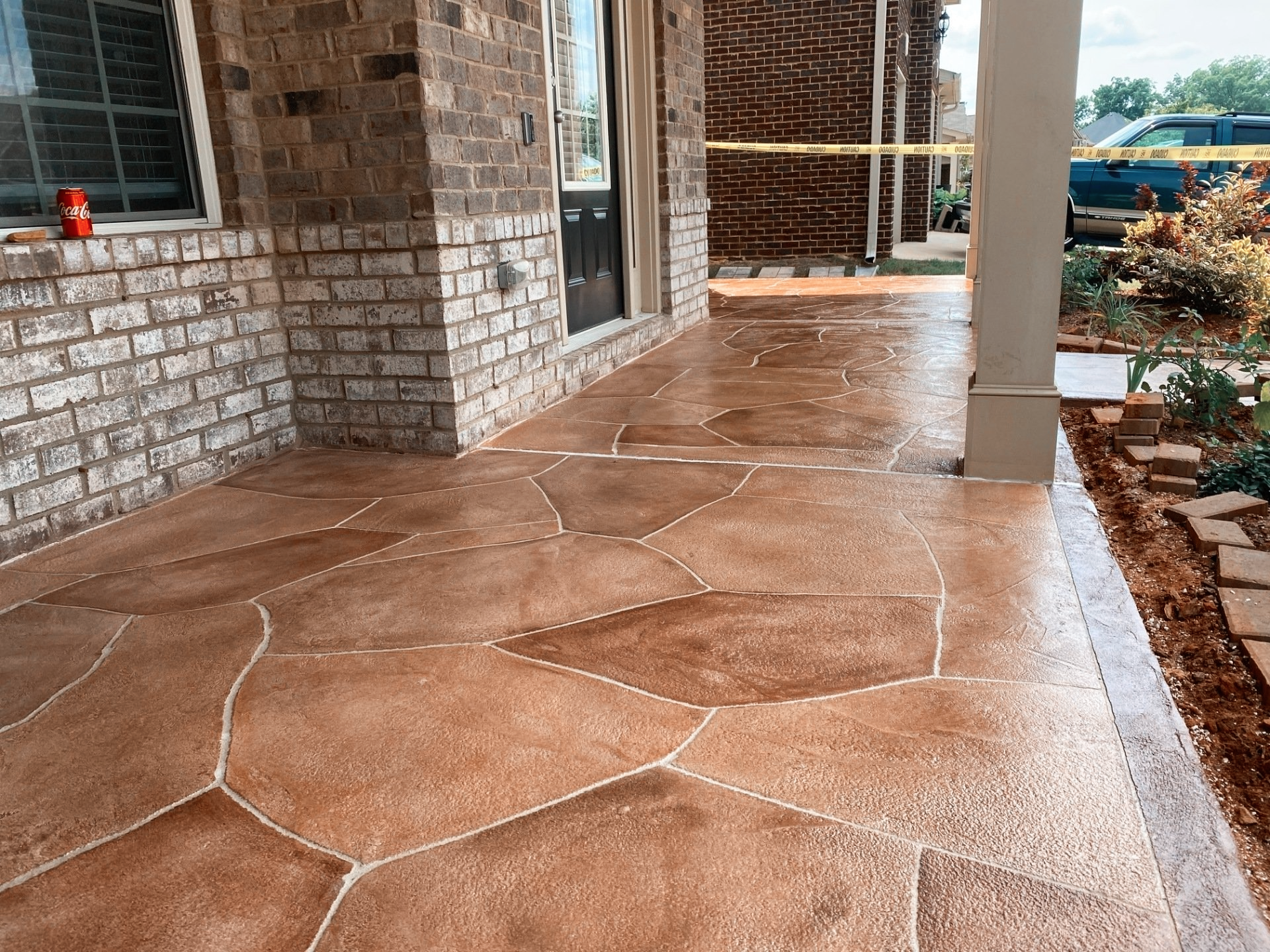
Concrete surfaces, whether residential or commercial, endure significant wear and tear over time. This can lead to unsightly cracks, discoloration, and an overall worn appearance. Fortunately, there exists a sustainable and cost-effective solution”?concrete resurfacing. This service not only revitalizes the appearance of your existing surfaces but also extends their lifespan. By understanding the benefits and processes involved in concrete resurfacing, property owners can make informed decisions that enhance both aesthetics and functionality.
Understanding Concrete Resurfacing
Concrete resurfacing is a technique used to repair and renew existing concrete surfaces. Unlike replacing the entire slab, resurfacing involves applying a new layer of concrete or overlay material to the existing surface. This method is efficient, eco-friendly, and significantly more affordable than complete replacement.
Benefits of Concrete Resurfacing
Opting for concrete resurfacing offers numerous advantages:
- Cost-Effectiveness: Resurfacing is less expensive than installing new concrete.
- Enhanced Aesthetics: A wide range of colors, patterns, and textures are available for customization.
- Improved Durability: High-quality materials ensure the resurfaced area withstands daily wear.
- Quick Installation: The process is faster than complete concrete replacement, reducing downtime.
- Eco-Friendly: Resurfacing uses fewer materials, minimizing environmental impact.
To explore advanced guides and tips on how to leverage these benefits, find out more about this approach.
Key Steps in the Resurfacing Process
The resurfacing process involves several critical steps to ensure a high-quality finish:
Surface Preparation
Preparing the existing concrete surface is essential for successful resurfacing. This includes cleaning, repairing cracks, and ensuring the surface is free of any debris or contaminants. Proper preparation guarantees the new overlay adheres effectively.
Material Application
Once prepared, the resurfacing material is mixed and applied. This can be done using a trowel or specialized equipment, depending on the size and scope of the project. The application technique affects the final texture and finish.
Finishing Touches
After application, the surface is finished to achieve the desired look. This may include adding patterns, colors, or textures. The finishing process plays a crucial role in the overall aesthetic outcome.
For more detailed insights into each step, discover expert strategies here.
Choosing the Right Resurfacing Solution
It”?s essential to consider the specific needs of your property when selecting a resurfacing solution. Factors such as location, exposure to elements, and intended use should guide the choice of materials and designs.
Interested homeowners and businesses can learn about our tailored solutions to ensure their resurfacing project aligns with their unique requirements and preferences.
Conclusion
Concrete resurfacing is a practical, aesthetically pleasing, and environmentally friendly option for renewing surfaces. By understanding the process and its benefits, property owners can make informed decisions that enhance the value and appeal of their spaces. To explore these solutions further, explore advanced guides and tips that provide a comprehensive overview of options available.
About the Author

.webp)