Maximizing Warehouse Efficiency with Pallet Flow Racking
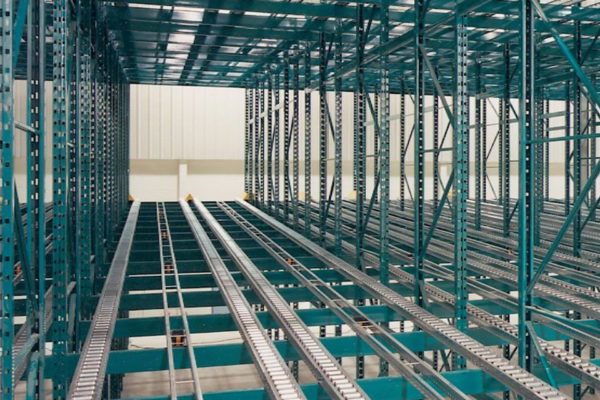
In the fast-paced world of logistics and supply chain management, efficiency is key. Warehouses are constantly seeking innovative solutions to optimize space utilization and streamline operations. One highly effective storage solution that is gaining traction is pallet flow racking. This system not only maximizes space but also enhances the overall efficiency of warehouse operations.
Understanding Pallet Flow Racking
Pallet flow racking, also known as gravity flow racking, is a storage system that utilizes a slightly inclined rail system to facilitate the movement of pallets. This dynamic system uses the force of gravity to allow pallets to slide forward towards the picking face, ensuring that products are readily available for order fulfillment.
Key Features of Pallet Flow Racking
- First-In-First-Out (FIFO) Inventory Management: Ideal for perishable goods or products with expiration dates, ensuring that the oldest inventory is always the first to be picked.
- Space Efficiency: Maximizes the use of available space by reducing the need for aisles between racks.
- Improved Productivity: Minimizes travel time for warehouse staff, as products are automatically moved to the front of the rack.
- Reduced Handling: Decreases the number of times a product needs to be handled, reducing the risk of damage.
Benefits of Implementing Pallet Flow Racking
Implementing pallet flow racking in a warehouse can significantly improve operational efficiency and productivity. Here are some of the primary benefits:
Optimized Space Utilization
By leveraging vertical space and reducing the need for multiple aisles, pallet flow racking offers a compact and efficient storage solution. This system is particularly beneficial for warehouses with limited floor space, allowing for higher storage density and better space utilization.
Streamlined Operations
Pallet flow racking systems contribute to streamlined operations by reducing the time spent on handling and moving pallets. With products automatically advancing to the picking face, warehouse staff can focus on picking and packing, thereby increasing overall productivity.
Enhanced Inventory Management
The FIFO inventory management facilitated by pallet flow racking is crucial for industries dealing with perishable goods. It ensures that older stock is used first, reducing waste and improving inventory turnover.
Considerations for Implementing Pallet Flow Racking
While the advantages of pallet flow racking are clear, there are several factors to consider before implementation:
Weight and Size of Pallets
Ensure that the weight and size of the pallets are compatible with the racking system. Heavier pallets may require stronger supports and reinforced tracks.
System Maintenance
Regular maintenance is essential to ensure the smooth operation of the racking system. This includes periodic checks of the rollers and brakes to prevent any disruptions in the flow of pallets.
Cost Considerations
While the initial investment for pallet flow racking may be higher than static storage solutions, the long-term benefits in terms of efficiency and space utilization can outweigh the costs.
Conclusion
Pallet flow racking is a powerful tool for optimizing warehouse efficiency. By improving space utilization, streamlining operations, and enhancing inventory management, this system can significantly contribute to the success of a warehouse. For those looking to enhance their storage capabilities, exploring the potential of pallet flow racking is a worthwhile consideration.
About the Author

.webp)