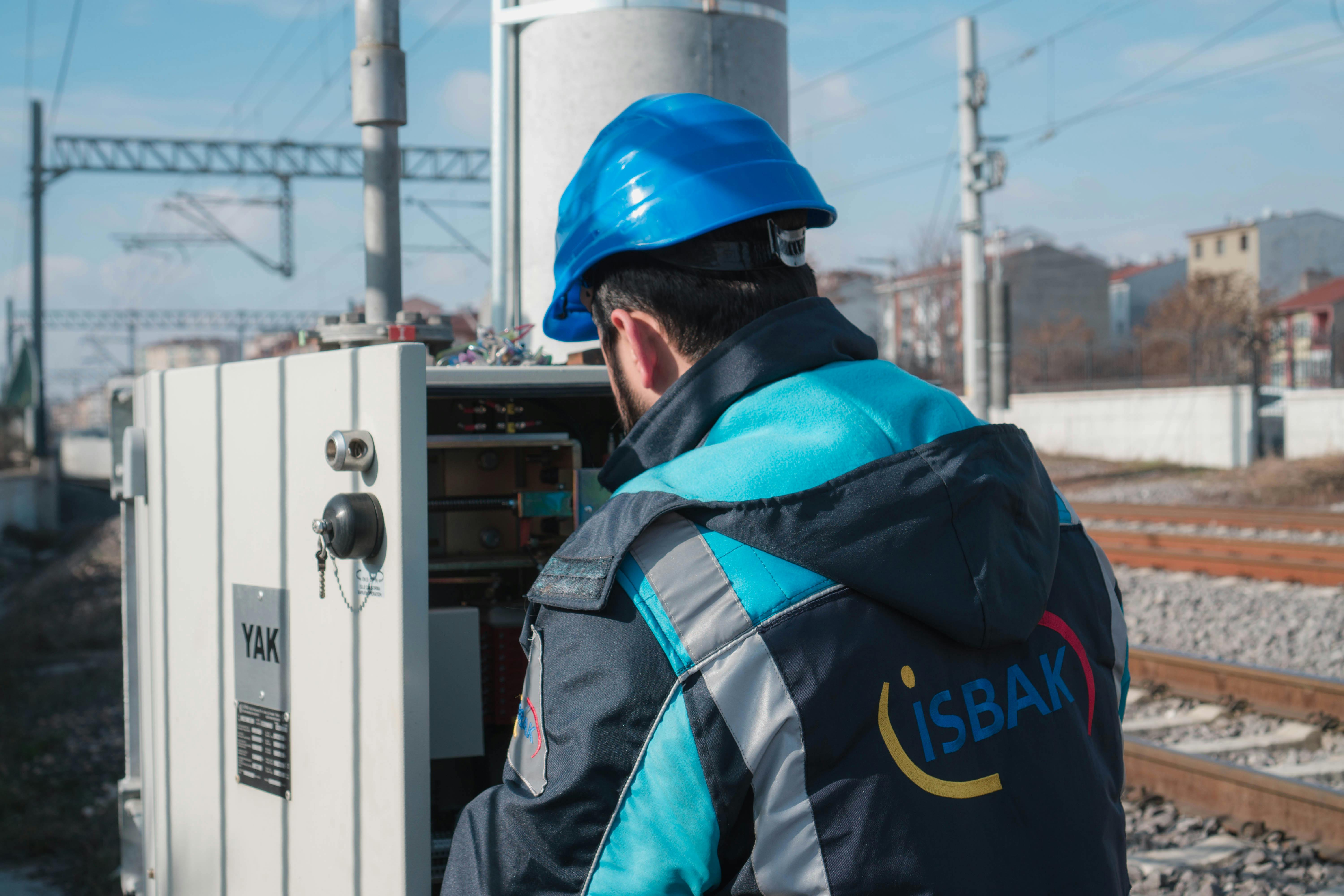
Industrial electrical installations are a crucial aspect of modern industry, underpinning everything from manufacturing processes to essential safety systems. The complexity and scale of these installations demand a professional approach, ensuring both efficiency and compliance with rigorous safety standards. Properly executed electrical installations can significantly enhance operational performance and reliability, making them indispensable to industrial facilities. This article delves into different facets of professional industrial electrical installations, highlighting their significance, key components, and expert practices.
The Importance of Professional Installations
Industrial environments are characterized by high energy demands and complex machinery. To accommodate these, electrical systems must be robust, reliable, and expertly installed. Engaging professionals for these installations is crucial for several reasons:
- Safety Compliance: Professionals ensure that installations meet all regulatory standards, minimizing the risk of accidents.
- Optimized Performance: Expert installations lead to improved system efficiency, reducing energy consumption and operational costs.
- Long-Term Reliability: Proper installation extends the lifespan of electrical components, reducing the need for frequent repairs.
For more on ensuring compliance and performance, explore advanced guides and tips.
Key Components of Industrial Electrical Installations
Power Distribution Systems
These systems are the backbone of any industrial facility, distributing electrical power from substations to various equipment and machinery. Professional installation ensures seamless integration with existing systems, optimizing power flow and minimizing downtime.
To understand the intricacies of power distribution, discover expert strategies here.
Control Systems
Control systems are essential for automating and managing industrial processes. They require precise installation to function correctly, often involving complex software and hardware integration. Professional installers bring the expertise needed to configure these systems for optimal performance.
Safety and Emergency Systems
In industrial settings, safety systems like fire alarms and emergency lighting are critical. Professionals ensure that these systems are installed to function reliably in emergencies, providing peace of mind and compliance with safety regulations.
Find out more about this approach by visiting this comprehensive resource.
Benefits of Professional Expertise
Leveraging professional services for industrial electrical installations brings numerous advantages:
- Custom Solutions: Experts can design and implement tailored solutions that meet specific industrial needs.
- Reduced Downtime: Efficient installation reduces the likelihood of system failures, ensuring continuous operation.
- Innovative Technologies: Professionals stay abreast of the latest technological advancements, integrating cutting-edge solutions into installations.
Learn about our tailored solutions and how they can benefit your operations here.
Conclusion
Industrial electrical installations are pivotal to maintaining the operational integrity and safety of industrial environments. Enlisting skilled professionals ensures that these installations are carried out to the highest standards, leveraging the latest technologies and compliance with regulatory requirements. The benefits extend beyond immediate operational needs, offering long-term reliability and efficiency that are essential for modern industrial success. To stay informed about best practices and innovations in industrial electrical installations, explore advanced guides and tips.
About the Author


.webp)