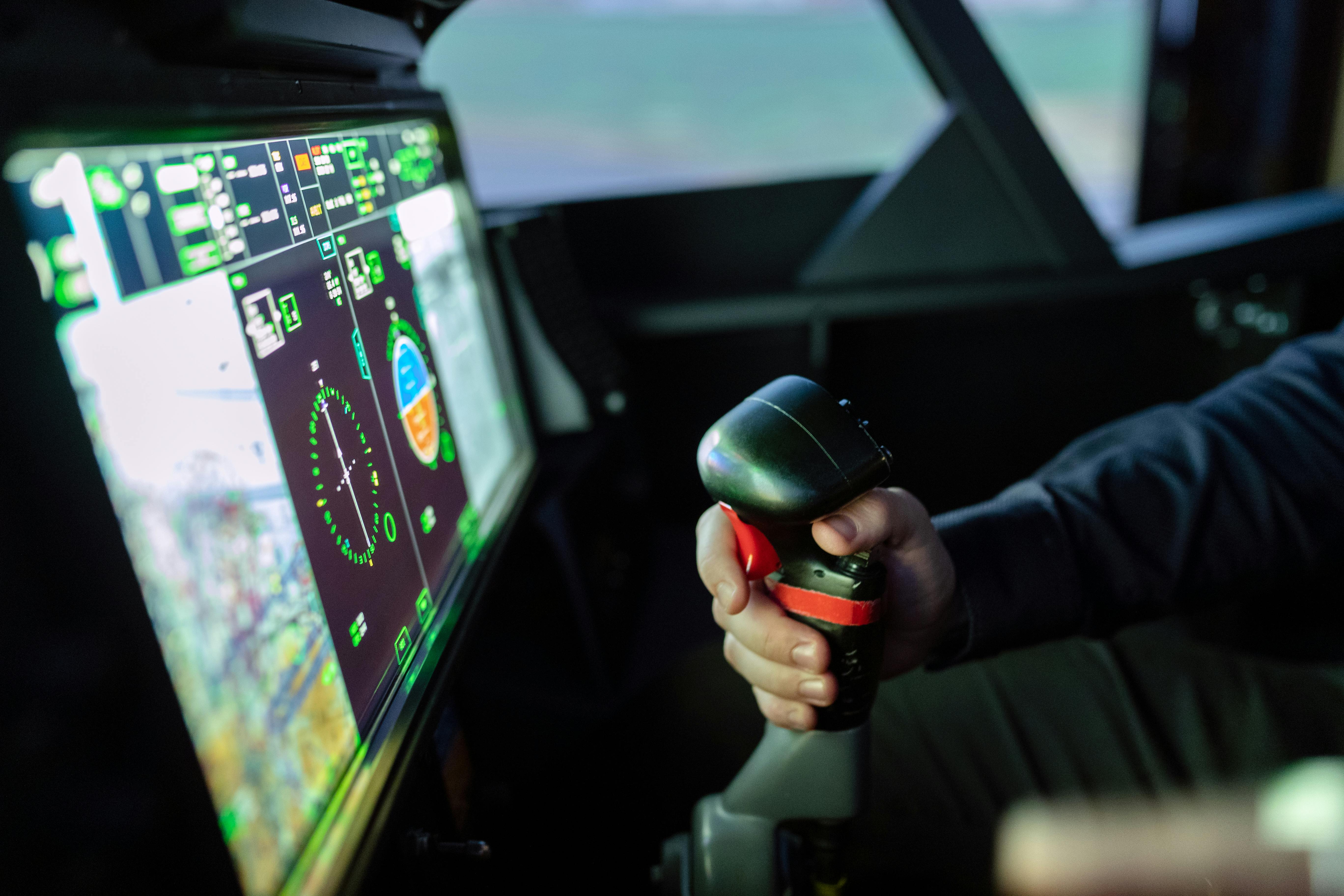
Embarking on the journey to becoming a pilot is an exciting and rewarding endeavor. Pennsylvania, with its rich aviation heritage and diverse landscapes, offers an ideal setting for aspiring pilots to begin their flight training. Whether you are pursuing a career in aviation or simply fulfilling a lifelong dream, understanding the pathway to pilot certification is crucial. This article will guide you through the essential steps and considerations for flight training in Pennsylvania, helping you to navigate your way to the skies with confidence.
Understanding the Basics of Flight Training
Flight training is a structured educational process that prepares individuals to operate an aircraft safely and efficiently. In Pennsylvania, pilot training in Pennsylvania typically involves a combination of ground school and hands-on flight experience. Here?s what you need to know:
- Ground School: This component covers the theoretical aspects of flying, including navigation, meteorology, aircraft systems, and aviation regulations.
- Flight Experience: Students gain practical experience by flying with a certified instructor, learning essential skills such as takeoff, landing, and in-flight maneuvers.
- Certification: To become a licensed pilot, candidates must pass both a written exam and a practical flight test, also known as a checkride.
Choosing the Right Flight School
Selecting a reputable flight school is a critical step in the training process. Pennsylvania is home to several esteemed institutions, such as the Penn Flight Academy, that offer comprehensive programs. When evaluating potential schools, consider the following factors:
- Accreditation: Ensure the school is accredited by recognized aviation bodies and adheres to federal aviation regulations.
- Fleet: A diverse and well-maintained fleet of aircraft provides exposure to different types of flying.
- Instructors: Experienced and certified instructors are crucial for quality training and mentorship.
- Location: Consider the geographical location and the type of airspace, as it impacts training experiences.
The Importance of Hands-On Training
Practical flight training is essential in developing the skills necessary for safe and proficient flying. Pennsylvania offers varied terrains and weather patterns, providing a comprehensive training environment. Searching for flight training near me can lead to discovering local schools that utilize these conditions to enhance learning experiences. Key aspects of hands-on training include:
- Solo Flights: Gaining confidence and independence by flying solo is a milestone in pilot training.
- Cross-Country Flights: Navigating longer distances helps in mastering navigation and flight planning.
- Emergency Procedures: Training includes simulating emergency scenarios to prepare for unexpected situations.
Advancing Your Aviation Career
For those seeking to advance their aviation careers, Pennsylvania provides numerous opportunities for specialized training and certifications. From commercial piloting to becoming a flight instructor, options are vast. Exploring pilot training near me can uncover pathways to achieve advanced ratings and endorsements. Consider the following steps:
- Instrument Rating: Enhances skills to fly in varied weather conditions using only instruments.
- Commercial Pilot License: Opens doors to professional piloting opportunities such as charter flights and aerial tours.
- Flight Instructor Certification: Allows pilots to train others, sharing knowledge and experience.
Conclusion
The path to becoming a certified pilot is both challenging and exhilarating. With a range of pilot training in Pennsylvania options available, aspiring aviators can find programs that suit their needs and goals. By choosing the right flight school, engaging in comprehensive training, and pursuing advanced certifications, the skies above Pennsylvania can become the gateway to a fulfilling aviation career.
About the Author

.webp)