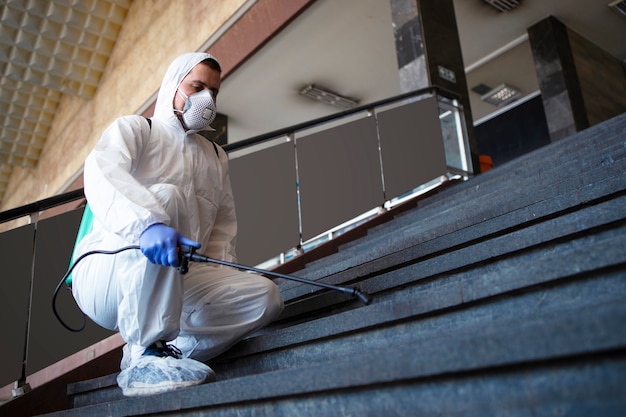
When it comes to termite control, homeowners are often left with a daunting task. Termites can cause significant damage to a property, leading to costly repairs and even rendering a home uninhabitable. However, with the right approach, homeowners can effectively prevent and control termite infestations. Discover expert strategies here to learn how to identify and address termite issues.
Understanding Termite Infestations
Termites are social insects that live in colonies, with different castes performing various roles. They feed on cellulose-based materials, including wood, paper, and insulation. Termite infestations can be categorized into three types: subterranean, drywood, and dampwood. Each type requires a unique approach to control and prevention. Learn about our tailored solutions to understand the specifics of each type.
Signs of Termite Infestation
Identifying termite infestations can be challenging, but there are several signs to look out for. These include:
- Discarded wings near entry points
- Frass (insect waste) or fecal pellets
- Damage to wood, including hollow-sounding wood or discolored areas
- Live termites or termite eggs
If you suspect a termite infestation, it’s essential to act quickly. Explore advanced guides and tips to learn more about the control process.
Preventing Termite Infestations
Prevention is key when it comes to termite control. Here are some effective ways to prevent termite infestations:
- Remove moisture sources, such as standing water or high humidity
- Keep firewood and other cellulose-based materials away from the home
- Seal entry points, including cracks and crevices
- Install termite-resistant materials, such as treated wood or composite materials
By implementing these prevention methods, homeowners can significantly reduce the risk of termite infestations. Find out more about this approach to learn how to effectively prevent termite damage.
Effective Termite Control Methods
When it comes to controlling termite infestations, several methods are available. These include:
- Baiting systems, which use toxic baits to kill the queen termite
- Soil treatments, which involve applying a toxic substance to the soil around the home
- Local treatment, which involves applying a toxic substance directly to the affected area
Each method has its advantages and disadvantages, and the best approach will depend on the specific situation. Check out customer reviews here to see what others are saying about their experiences with termite control services.
Conclusion
Termite control is a complex issue that requires a comprehensive approach. By understanding termite infestations, preventing them, and using effective control methods, homeowners can effectively manage termite damage. Explore our resources to learn more about termite control and prevention. Visit termite control services for expert guidance and support.
About the Author