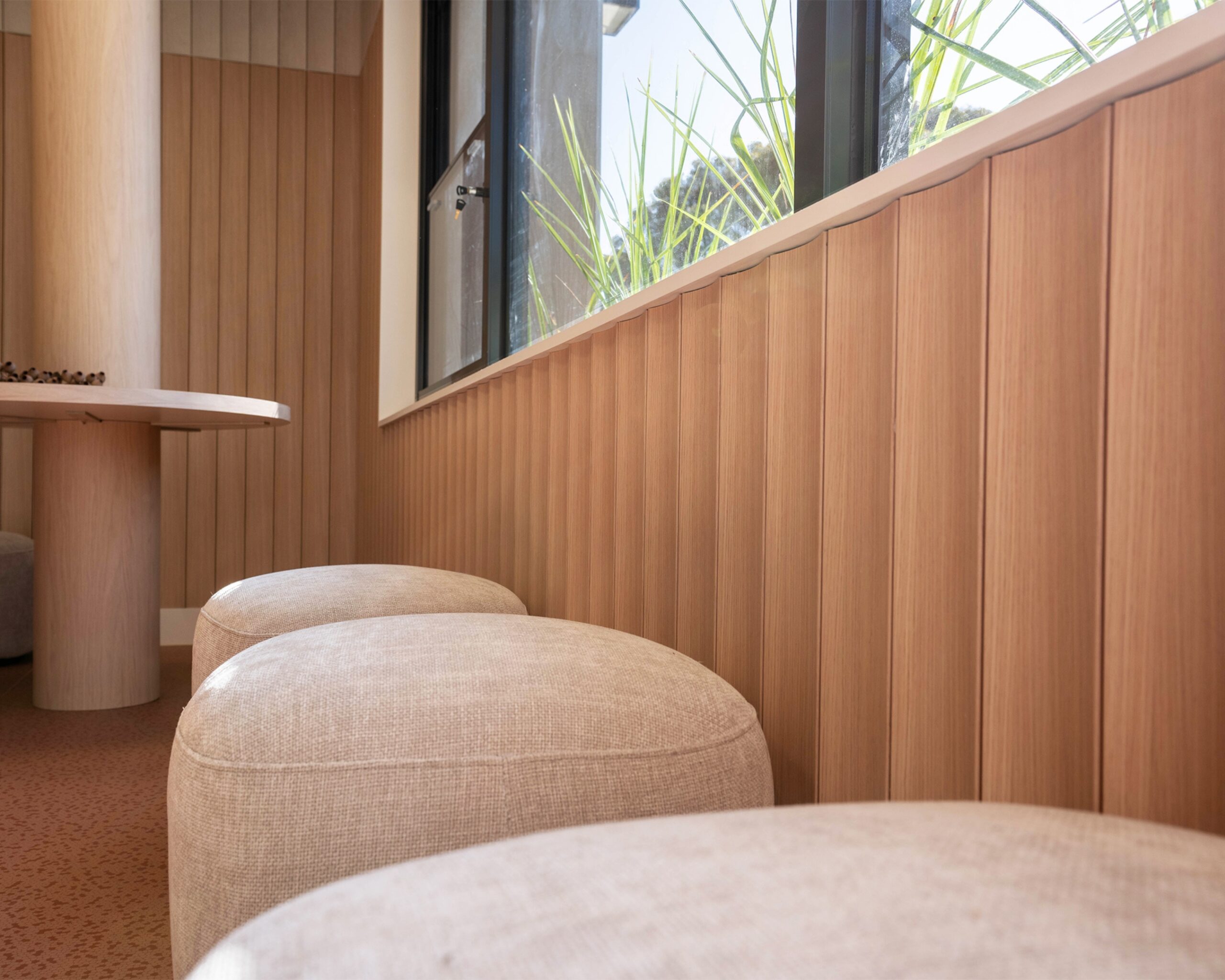
In the realm of modern architecture and design, the use of curved timber panels is becoming an increasingly popular choice among architects and designers. As a material, timber is renowned for its natural beauty, sustainability, and versatility. When crafted into curved panels, it adds a dynamic and elegant aesthetic to any space, making it a sought-after option in both residential and commercial projects.
The Aesthetic Appeal of Curved Timber Panels
Curved timber panels are celebrated for their ability to transform standard architectural forms into captivating pieces of art. The gentle arcs and waves introduced by these panels break the monotony of straight lines, adding a sense of movement and fluidity to structures. The visual impact is not only striking but also soothing, as curves often evoke a sense of calmness and natural flow.
Design Flexibility
One of the major advantages of curved timber panels is their design flexibility. These panels can be customized to fit various architectural styles and can be adapted to different scales, from small interior details to expansive exterior facades. Here are some ways in which curved timber panels can be utilized:
- Wall cladding to add texture and depth to interiors.
- Ceiling panels that create an illusion of a broader space.
- Facades that provide a striking exterior look.
- Furniture design that harmonizes with architectural themes.
For more examples of how curved timber panels can be used, consider exploring different curved timber panels.
Technical Benefits of Curved Timber Panels
In addition to their aesthetic qualities, curved timber panels offer several technical benefits that make them an excellent choice for a variety of projects. These benefits include:
- Acoustic Performance: The structure of curved panels can help improve the acoustics of a room by dispersing sound waves, making them ideal for auditoriums and concert halls.
- Thermal Insulation: Timber naturally insulates, and when used in a curved form, it can enhance thermal performance by reducing heat loss or gain.
- Durability: High-quality timber panels are treated to withstand environmental conditions, ensuring longevity and minimal maintenance.
Sustainability and Environmental Impact
Timber is inherently a sustainable material, and when sourced responsibly, it contributes positively to the environment. Curved timber panels are often made from certified woods, ensuring that their production supports sustainable forestry practices. This makes them an environmentally conscious choice for eco-friendly building designs.
Applications Across Different Sectors
The versatility of curved timber panels allows them to be used across various sectors, each benefiting from their unique properties:
- Commercial Spaces: Retail stores and office spaces can utilize these panels to create inviting environments that encourage productivity and customer engagement.
- Residential Buildings: Homes can benefit from the warmth and elegance that timber panels add to living spaces, enhancing both aesthetic appeal and property value.
- Public Buildings: Institutions such as museums and schools can use curved timber to create iconic and memorable structures that attract visitors.
For those interested in exploring the diverse applications of curved timber panels, further resources and examples can be found in the curved timber panels section.
Conclusion
Curved timber panels represent a harmonious blend of beauty, functionality, and sustainability. Their ability to adapt to a wide range of applications makes them an invaluable asset to modern architecture and design. As the demand for sustainable and aesthetically pleasing materials continues to grow, curved timber panels are poised to play a crucial role in shaping the future of design.
About the Author

.webp)