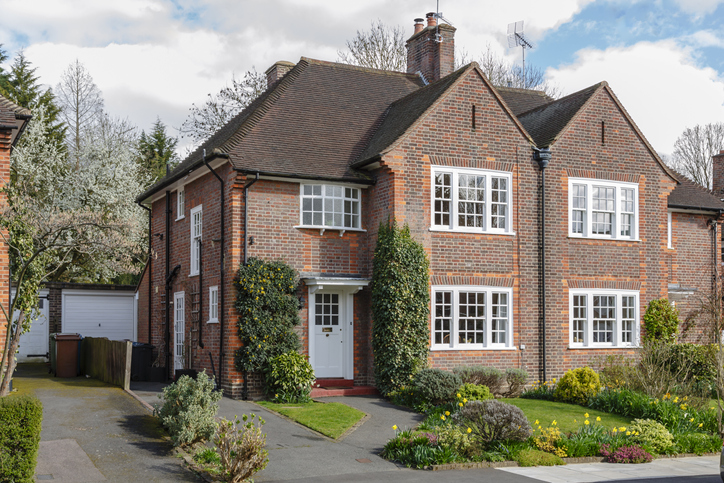
When considering purchasing a property, obtaining a comprehensive understanding of its condition is crucial. A level 3 building survey offers the most in-depth analysis of a property’s condition, allowing prospective buyers to make informed decisions. This detailed assessment is essential when dealing with older buildings, properties in need of renovation, or those which have undergone significant alterations. Understanding the process of a Level 3 Building Survey can help potential buyers and property owners alike gain invaluable insights into the structural integrity and maintenance needs of a property.
What is a Level 3 Building Survey?
A Level 3 Building Survey, often referred to as a full structural survey, is the most comprehensive type of survey available. It is designed to provide a thorough evaluation of a property’s construction and condition.
- Offers a detailed analysis of the fabric and condition of the building.
- Suitable for older properties or those of non-standard construction.
- Identifies specific defects and provides guidance on necessary repairs.
- Includes an assessment of potential future defects and maintenance issues.
Why Opt for a Level 3 Building Survey?
This survey is particularly beneficial for properties that are older, have been significantly altered, or are of unusual construction. It is also recommended for properties that are in a visibly poor condition. The building survey level 3 is detailed and exhaustive, providing the peace of mind needed when making such a significant investment.
The Process of a Level 3 Building Survey
The process of conducting a Level 3 Building Survey involves several key steps:
1. Pre-Survey Consultation
Before the survey begins, a consultation is held to discuss specific concerns or areas of interest. This step ensures that the surveyor is aware of any particular issues the client may have noticed or wants to be addressed.
2. On-Site Inspection
The on-site inspection is the core of the survey process. It involves a comprehensive examination of the property’s structure and condition, including:
- Inspecting both the interior and exterior of the building.
- Examining the roof, walls, floors, windows, and doors.
- Checking for signs of dampness, timber decay, or other structural issues.
- Assessing the condition of services and fittings.
3. Detailed Reporting
Following the on-site inspection, the surveyor compiles a detailed report outlining their findings. This report includes:
- A description of each part of the property inspected.
- Identification of any defects found, with recommendations for repairs.
- An assessment of the urgency and potential cost of repairs.
- Guidance on potential future maintenance requirements.
The report is designed to be thorough and informative, empowering the property owner or buyer with the knowledge needed to make informed decisions.
4. Post-Survey Consultation
After the survey report is delivered, a follow-up consultation may be held. This provides an opportunity to discuss the findings in detail and explore any further questions or concerns. This step ensures that the client fully understands the survey results and the implications for the property.
Conclusion
A level 3 RICS building survey is an invaluable tool for understanding the condition of a property. By providing a thorough and detailed analysis of the building, it ensures that property owners and buyers can make informed decisions regarding their investment. This extensive survey is particularly beneficial for properties with unique characteristics or those requiring significant maintenance or repair work.
About the Author


.webp)