Concrete plays a pivotal role in construction, providing durability and structural integrity to myriad projects. However, not all concrete construction is the same. The demands of residential and commercial projects differ significantly, and thus, the contractors who specialize in these areas must also differ in their approach and expertise. Understanding these distinctions is crucial for anyone embarking on a building project, ensuring that the right expert is chosen for the job.
Understanding Residential Concrete Contractors
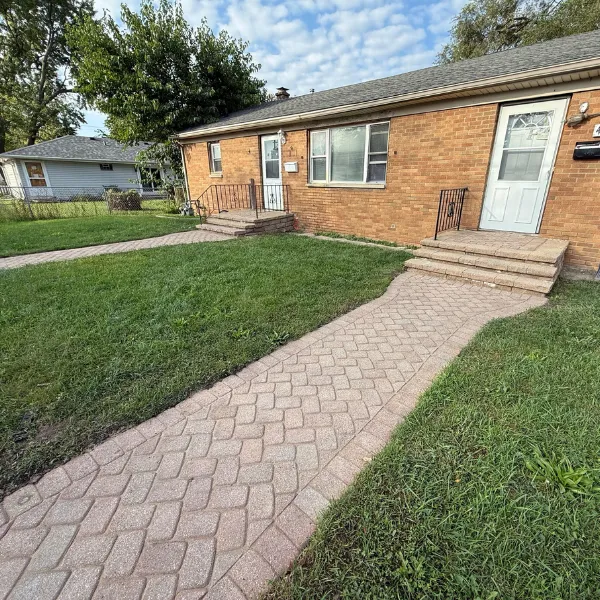
Residential concrete contractors focus primarily on smaller-scale projects typically found in homes and small communities. Their work encompasses a variety of tasks, from laying foundations for single-family homes to crafting driveways, patios, and walkways. Here are some key aspects of residential concrete work:
- Projects are generally smaller in scale and scope.
- Emphasis on aesthetic appeal alongside functionality.
- Often require a personalized approach to meet homeowner preferences.
- May involve decorative techniques such as stamping and staining.
For those interested in exploring more about these specialized approaches, one can learn about our tailored solutions tailored to residential needs.
Exploring Commercial Concrete Contractors
In contrast, commercial concrete contractors handle large-scale projects meant to support business operations. These can range from constructing office buildings, schools, and hospitals to creating expansive parking structures and warehouses. Key characteristics include:
- Handling larger, more complex projects.
- Greater emphasis on structural strength and durability.
- Compliance with stricter building codes and regulations.
- Incorporation of advanced technologies and materials.
Commercial projects often demand a deeper understanding of engineering principles and project management. To discover expert strategies here for managing commercial concrete work effectively.
Comparing Residential and Commercial Concrete Projects
Scale and Complexity
Residential projects are typically smaller and less complex, focusing on individual homes or small community spaces. In contrast, commercial projects can span several acres and require meticulous planning and execution to handle the increased load and traffic.
Design and Aesthetics
While both types of projects value aesthetics, residential projects often incorporate more decorative elements, as homeowners seek to personalize their spaces. Commercial projects prioritize functionality and efficiency while maintaining a professional appearance.
Regulatory Compliance
Commercial projects face more stringent regulatory scrutiny, necessitating a deep understanding of local, state, and federal building codes. Residential projects also follow regulations, but these are generally less intensive. For those interested in understanding these nuances, find out more about this approach to compliance and regulations.
Choosing the Right Contractor
When embarking on a concrete project, choosing the right contractor is crucial. Whether the project is residential or commercial, the contractor’s expertise can significantly impact the quality, cost, and timeline of the project. Here are some factors to consider:
- Specialization in the specific type of project.
- Experience and past project portfolio.
- Reputation and client testimonials.
- Understanding of local regulations and compliance requirements.
For those looking to make informed choices, it’s beneficial to explore advanced guides and tips on selecting the ideal contractor for various project types.
In conclusion, while both residential and commercial concrete contractors provide essential services, understanding their differences ensures that the right professional is chosen for the task. This knowledge leads to successful project outcomes, optimized to meet the specific needs and challenges of each unique construction endeavor.
About the Author

.webp)