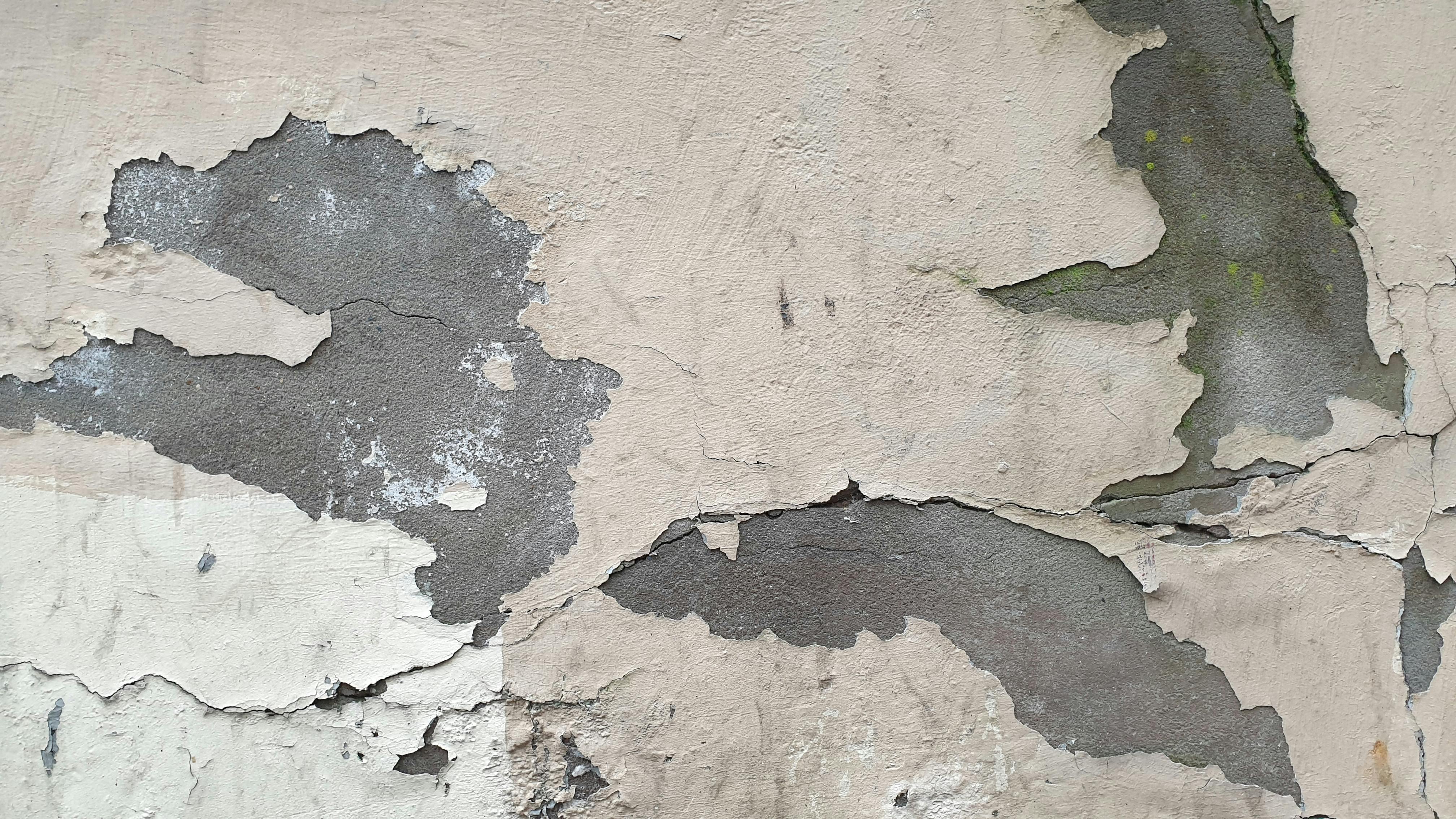
Mold is a common issue in commercial buildings, affecting the structural integrity of the property and posing health risks to occupants. This pervasive problem requires specialized remediation solutions to ensure a safe and healthy environment. Understanding the intricacies of commercial mold remediation is vital for building managers and owners to effectively address mold-related issues.
Understanding Mold in Commercial Settings
Mold thrives in environments with excess moisture, making commercial properties susceptible due to factors like plumbing leaks, roof damage, or HVAC system failures. Identifying mold early is crucial to preventing its spread and mitigating potential health risks.
Common Sources of Mold
- Leaky roofs or windows
- High humidity levels
- Inadequate ventilation
- Flooding or water intrusion
- Faulty appliances or plumbing issues
For more comprehensive details on identifying mold sources and handling them effectively, read more about this topic.
The Mold Remediation Process
Mold remediation goes beyond simple cleaning. It involves a structured process to remove mold and prevent its recurrence. A thorough understanding of this process ensures that building managers adopt the most effective strategies.
Steps in Mold Remediation
- Inspection and Assessment: Identifying the extent and source of the mold problem.
- Containment: Preventing the spread of mold during the cleanup process.
- Filtration: Using air filtration equipment to capture mold spores in the air.
- Removal of Mold-Infested Materials: Disposing of severely affected materials that are beyond salvage.
- Cleaning and Sanitization: Using specialized cleaning agents to eradicate mold.
- Restoration: Repairing or replacing damaged structures to their original condition.
To gain further insights into each step of the remediation process, learn more in this detailed guide.
Preventive Measures for Mold Control
Prevention is key in managing mold in commercial settings. Implementing effective control measures can significantly reduce the likelihood of mold reappearing.
Strategies for Mold Prevention
- Regular maintenance of HVAC systems to ensure proper ventilation.
- Prompt repair of leaks and water damage.
- Using dehumidifiers to maintain optimal humidity levels.
- Conducting routine inspections for early detection of mold.
- Ensuring proper drainage around the building foundation.
Explore further insights here on implementing these preventive measures effectively.
The Importance of Professional Mold Remediation
While minor mold issues can be addressed internally, extensive mold problems in commercial buildings require professional intervention. Expert remediation services provide:
- Advanced detection tools for thorough inspection.
- Specialized equipment for effective containment and removal.
- Professional-grade cleaning agents and techniques.
- Comprehensive assessment and restoration services.
Professional remediation not only ensures complete mold removal but also helps in maintaining a healthy indoor environment. Find additional information here about the benefits of hiring professional services for mold remediation.
In conclusion, addressing mold issues in commercial settings requires a detailed understanding of its causes, remediation processes, and preventive measures. By employing the right strategies and seeking professional help when needed, building managers can effectively manage mold problems, ensuring the safety and well-being of all occupants.
About the Author

.webp)