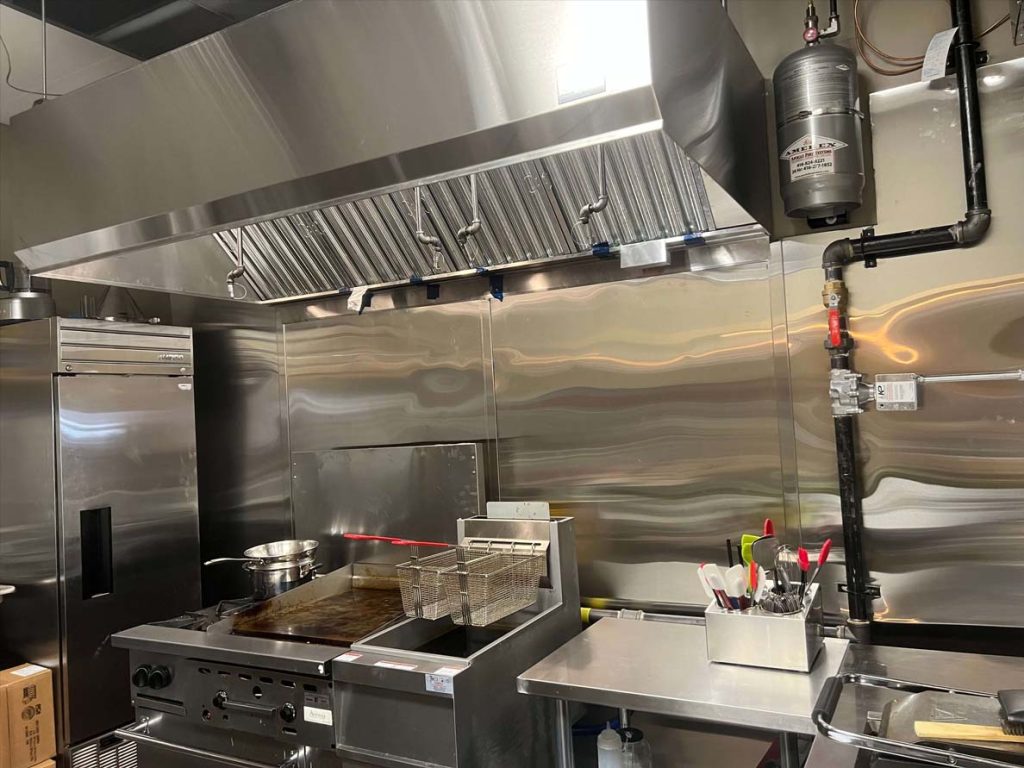
Choosing a commercial ventilation contractor is a critical decision that directly impacts the safety, efficiency, and longevity of any food-service operation. Proper airflow removes heat, smoke, grease, and odors, while also complying with local health and fire codes. With countless contractors on the market, the selection process can feel overwhelming. This guide outlines the essential criteria, questions, and best-practice steps to ensure the right partner is hired, protecting both the kitchen’s performance and the bottom line.
Understanding Core Requirements
Before reaching out to potential contractors, it’s important to define the specific ventilation needs of the facility. These requirements form the foundation for every subsequent evaluation.
Key Factors to Assess
- Building Layout and Size: Square footage, ceiling height, and the number of cooking stations determine the required airflow capacity.
- Type of Cooking Equipment: High-heat grills, fryers, and ovens generate varying amounts of grease and smoke, influencing hood and fan specifications.
- Local Codes and Standards: Compliance with NFPA 96, OSHA, and municipal health regulations is non-negotiable.
- Energy Efficiency Goals: Modern variable-speed fans and demand-controlled ventilation can reduce utility costs.
For a deeper dive into ventilation design considerations, Discover expert strategies here.
Evaluating Contractor Expertise
A contractor’s technical knowledge and industry experience are paramount. Look for evidence of specialized training, certifications, and a proven track record in commercial kitchen projects.
Credentials to Verify
- Certified Industrial Maintenance Technician (CIMT) or equivalent.
- Membership in professional bodies such as the American Society of Heating, Refrigerating and Air-Conditioning Engineers (ASHRAE).
- Documented experience with NFPA 96 compliance audits.
Case studies showcasing successful installations can provide insight into problem-solving capabilities. To explore detailed project examples, Learn about our tailored solutions.
Assessing Project Management Approach
Effective project execution hinges on clear communication, realistic timelines, and meticulous coordination with other trades.
Questions to Ask During Interviews
- What is the typical timeline for a kitchen of this size?
- How do you handle unexpected site conditions or code changes?
- What is the process for obtaining permits and final inspections?
- Can you provide a detailed, itemized quote?
Understanding the contractor’s workflow helps avoid costly delays. For guidance on managing complex installations, Explore advanced guides and tips.
Quality of Materials and Equipment
The durability of hoods, ducts, and fans directly affects maintenance frequency and long-term costs. Contractors should source components that meet or exceed industry standards.
Material Checklist
- Stainless-steel hoods with grease-resistant coatings.
- Rigid, insulated ductwork to prevent condensation.
- Variable-frequency drive (VFD) fans for energy savings.
- Fire-suppression systems integrated with the ventilation network.
When evaluating product specifications, Find out more about this approach to ensure alignment with best-practice standards.
Maintenance and Support Plans
Even the most expertly installed system requires regular upkeep. Contractors that offer comprehensive maintenance contracts provide peace of mind and help extend equipment life.
What to Include in a Service Agreement
- Scheduled cleaning of hoods and ducts in accordance with local health regulations.
- Routine fan and motor inspections.
- Emergency response provisions for fire-suppression failures.
- Documentation of all service activities for audit trails.
Long-term support can be a decisive factor when comparing bids. Review sample service agreements to gauge the level of commitment offered.
Cost Transparency and Value Assessment
While price is a crucial consideration, the lowest bid does not always represent the best value. Evaluate proposals based on total cost of ownership, including installation, energy consumption, and maintenance.
Components of a Comprehensive Cost Analysis
- Initial equipment purchase and labor.
- Projected energy savings from high-efficiency fans.
- Estimated maintenance expenses over a 5-year horizon.
- Potential penalties for non-compliance with codes.
Balancing upfront investment against long-term savings ensures a financially sound decision. For additional financial modeling tools, Explore advanced guides and tips once more.
Final Decision Checklist
Summarize the evaluation process with a concise checklist to verify that all critical aspects have been addressed before signing a contract.
- Contractor holds relevant certifications and references.
- Proposal aligns with defined ventilation requirements.
- Clear, itemized pricing with no hidden fees.
- Comprehensive maintenance and warranty terms.
- Demonstrated compliance with NFPA 96 and local codes.
- Positive feedback from previous commercial kitchen clients.
By following this structured approach, businesses can confidently hire a commercial ventilation contractor who delivers reliable performance, regulatory compliance, and operational efficiency.
About the Author