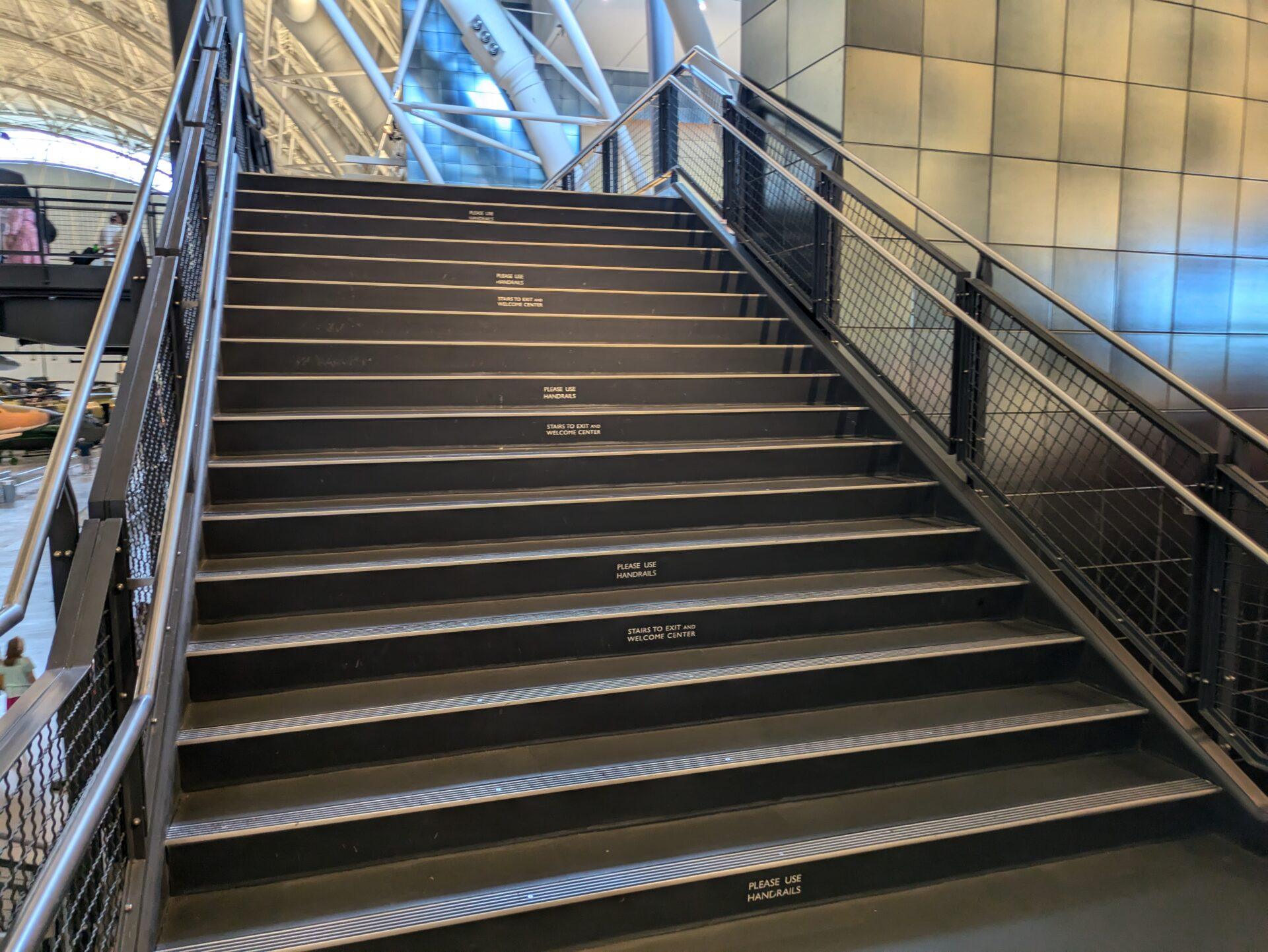
Stairway safety is a critical component of building design, maintenance, and daily operation. Properly engineered stair systems reduce the risk of falls, improve accessibility, and comply with stringent safety regulations. This article examines the key factors that make stairways safe, the standards that guide their construction, and the best practices that facilities can adopt to protect occupants and workers alike.
Fundamental Principles of Stairway Safety
Effective stairway safety rests on three core principles: design, material selection, and ongoing maintenance. Each element plays a distinct role in ensuring that staircases remain functional and secure over time.
Design Considerations
- Consistent Riser Height and Tread Depth: Uniform dimensions prevent missteps and provide a predictable walking surface.
- Clear Handrail Placement: Handrails should be positioned at a comfortable height (typically 34-38 inches) and extend the full length of the stairway.
- Adequate Lighting: Illuminated stairways reduce visual strain and highlight potential hazards.
- Non-Slip Surfaces: Textured treads or anti-slip coatings improve traction, especially in wet or high-traffic environments.
Material Selection
Choosing the right materials influences durability, slip resistance, and overall safety. Commonly used materials include:
- Concrete with embedded anti-slip aggregates.
- Metal stair treads with raised patterns.
- Wood treated with slip-resistant finishes.
- Composite materials that combine strength with low maintenance.
For a deeper dive into material performance, learn more in this detailed guide.
Regulatory Standards and Guidelines
Stairway construction is governed by a variety of codes and standards that vary by jurisdiction but share common safety objectives. Understanding these guidelines is essential for compliance and risk mitigation.
Key Standards
- International Building Code (IBC): Sets minimum requirements for stair dimensions, headroom, and handrail specifications.
- Americans with Disabilities Act (ADA): Provides accessibility criteria, including slope, width, and tactile indicators.
- Occupational Safety and Health Administration (OSHA): Focuses on workplace stair safety, emphasizing guardrails and slip-resistant surfaces.
Consulting the latest editions of these standards helps ensure that new installations and retrofits meet current safety expectations.
Best Practices for Installation and Maintenance
Even the most well-designed stairway can become hazardous if installation is flawed or maintenance is neglected. The following practices support long-term safety.
Installation Tips
- Verify that all measurements match design specifications before securing components.
- Use fasteners and adhesives recommended by manufacturers to prevent loosening over time.
- Install handrails with proper anchorage to withstand expected loads.
- Apply anti-slip treatments in accordance with product guidelines.
Maintenance Strategies
- Conduct routine inspections for wear, corrosion, or loose fittings.
- Clean stair surfaces regularly to remove debris, oil, or moisture that could cause slipping.
- Replace damaged treads or handrail sections promptly.
- Document inspection findings and corrective actions for compliance records.
For ongoing maintenance resources, explore further insights here.
Emerging Technologies in Stairway Safety
Advancements in materials science and digital monitoring are shaping the future of stair safety. Innovations include:
- Smart Sensors: Embedded sensors detect foot traffic, weight distribution, and potential structural issues, sending alerts to facility managers.
- Self-Cleaning Surfaces: Nano-coated materials repel water and dirt, reducing the need for frequent cleaning.
- Modular Stair Systems: Prefabricated components allow rapid installation and easy replacement of damaged sections.
These technologies not only improve safety but also lower long-term operational costs.
Conclusion
Stairway safety is a multifaceted discipline that blends thoughtful design, appropriate material selection, strict adherence to standards, and diligent maintenance. By implementing the principles and practices outlined above, building owners and managers can create stair environments that protect occupants, comply with regulations, and stand the test of time. For additional guidance and resources, read more about this topic.
About the Author