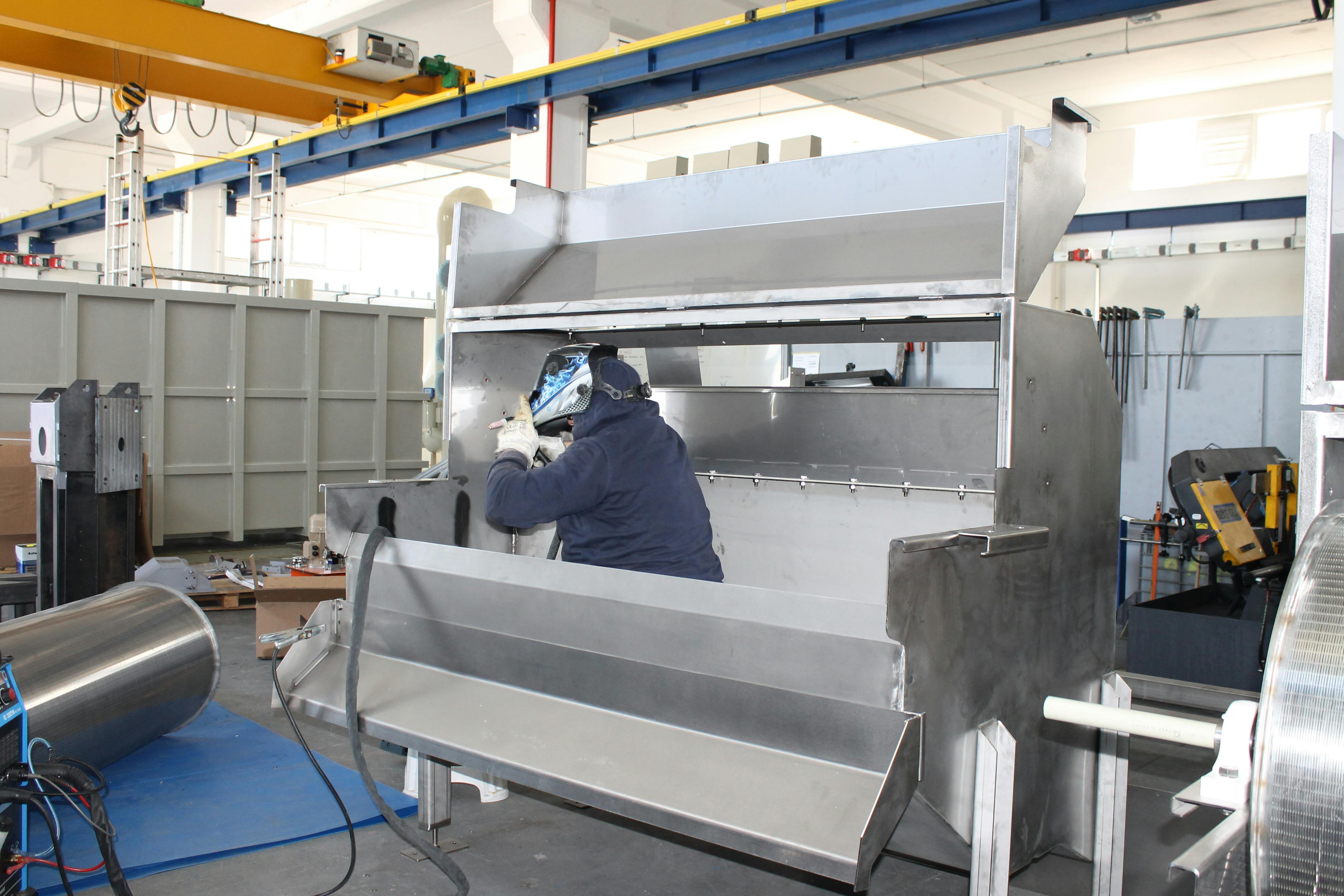
Keeping a vehicle in optimal condition requires more than just occasional fueling and cleaning. Modern automobiles are equipped with complex electronic systems, precision-engineered components, and safety-critical mechanisms that demand regular attention. Automotive renovation services, particularly diagnostics, tune-ups, and inspections, provide the systematic approach needed to identify hidden issues, fine-tune performance, and ensure compliance with safety standards. This article outlines the core elements of these services, explains why they matter, and offers guidance on how to incorporate them into a comprehensive maintenance plan.
Understanding Automotive Diagnostics
Diagnostics is the foundation of modern vehicle maintenance. By connecting a diagnostic scanner to the car’s onboard computer, technicians can retrieve fault codes, monitor sensor data, and assess system health in real time.
Key Diagnostic Procedures
- OBD-II Scanning: Retrieves standardized trouble codes that indicate problems in emissions, engine performance, transmission, and more.
- Live Data Stream Analysis: Observes sensor outputs such as oxygen sensor voltage, fuel trim, and coolant temperature while the engine runs.
- System-Specific Tests: Includes ABS module checks, airbag system verification, and transmission control module diagnostics.
Accurate diagnostics reduce unnecessary part replacements and minimize downtime. For a deeper dive into how diagnostic tools work, Read more about this topic.
Comprehensive Tune-Up Services
A tune-up goes beyond the classic spark-plug change. It is a coordinated set of adjustments and replacements designed to restore the engine’s efficiency and responsiveness.
Typical Tune-Up Checklist
- Inspect and replace spark plugs and ignition coils.
- Clean or replace fuel injectors to ensure proper fuel atomization.
- Check and adjust valve clearances where applicable.
- Replace air-filter and cabin-filter to maintain airflow quality.
- Examine the timing belt or chain for wear and tension.
- Refresh engine coolant and verify thermostat operation.
Regular tune-ups improve fuel economy, reduce emissions, and extend engine life. For additional guidance on maintaining peak performance, Learn more in this detailed guide.
Vehicle Inspections: Safety and Compliance
Inspections are systematic examinations that verify a vehicle meets safety regulations and manufacturer specifications. They are typically required annually or bi-annually, depending on jurisdiction.
Core Inspection Areas
- Braking System: Pads, rotors, calipers, and brake fluid condition.
- Steering & Suspension: Tie-rod ends, ball joints, shocks, and struts.
- Lighting & Electrical: Headlights, turn signals, battery health, and wiring integrity.
- Exhaust & Emissions: Catalytic converter performance and exhaust leak detection.
- Tires & Wheels: Tread depth, pressure, and wheel alignment.
- Safety Equipment: Seat belts, airbags, and horn functionality.
Passing an inspection not only keeps the vehicle road-legal but also identifies potential safety hazards before they become critical failures. To explore further insights on inspection best practices, Explore further insights here.
Integrating Diagnostics, Tune-Ups, and Inspections
While each service addresses a specific aspect of vehicle health, their combined use creates a robust maintenance strategy:
- Proactive Issue Detection: Diagnostics uncover latent problems that a routine tune-up might miss.
- Performance Optimization: Tune-ups fine-tune engine parameters identified during diagnostic scans.
- Safety Assurance: Inspections validate that all systems, including those serviced during a tune-up, meet safety standards.
- Cost Efficiency: Early detection and correction prevent expensive repairs and downtime.
By scheduling these services at recommended intervals, diagnostics annually or when a check-engine light appears, tune-ups every 30,000-50,000 miles, and inspections per local law, vehicle owners can maintain reliability and resale value.
Best Practices for Selecting a Service Provider
Choosing a qualified technician or shop is essential for quality outcomes. Consider the following criteria:
- Certification of technicians (e.g., ASE).
- Availability of up-to-date diagnostic equipment.
- Transparent reporting of findings and recommended actions.
- Adherence to manufacturer service specifications.
- Clear communication regarding costs and timelines.
For a comprehensive overview of what to look for in a reputable service environment, Find additional information here.
Conclusion
Diagnostics, tune-ups, and inspections form the triad of essential automotive renovation services. When executed regularly and thoughtfully, they safeguard vehicle performance, enhance fuel efficiency, and uphold safety standards. Integrating these practices into a disciplined maintenance schedule ensures that modern vehicles continue to operate reliably throughout their lifespan.
About the Author