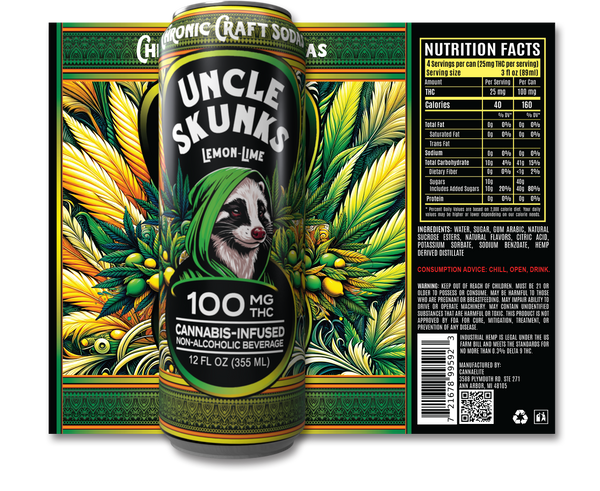
The recreational cannabis industry has experienced significant growth in recent years, with an increasing number of countries and states legalizing the use and sale of cannabis products. As a result, the demand for cannabis-infused beverages has also risen, leading to a need for clear and consistent regulations governing their production and sale. Understanding the regulatory landscape surrounding these products is crucial for businesses operating in this space, as well as for consumers looking to navigate the market.
Regulatory Frameworks
The regulatory frameworks surrounding cannabis-infused beverages vary from country to country and even from state to state. In some jurisdictions, these products are subject to the same regulations as food and beverages, while in others they are treated as a separate category. For example, in some countries, cannabis-infused beverages are subject to strict labeling requirements, including the display of THC levels and warnings about potential side effects. Read more about this topic to gain a deeper understanding of the regulatory frameworks in place.
Cannabis Concentration and Labeling
One of the key considerations in the regulation of cannabis-infused beverages is the level of cannabis concentration permitted. In some jurisdictions, the maximum THC level allowed in these products is set at 10mg per serving, while in others it is higher. Businesses operating in this space must ensure that their products comply with these regulations, which can be a complex and time-consuming process. Learn more in this detailed guide to understand the requirements for cannabis concentration and labeling.
Testing and Quality Control
In addition to regulatory compliance, businesses operating in the cannabis industry must also prioritize testing and quality control. This includes ensuring that products are free from contaminants and meet the required standards for potency and purity. Explore further insights here to learn more about the importance of testing and quality control in the cannabis industry.
Consumer Education and Safety
Finally, it is essential for businesses operating in the cannabis industry to prioritize consumer education and safety. This includes providing clear and accurate information about the effects of THC and other cannabinoids, as well as warnings about potential side effects. Find additional information here to learn more about the importance of consumer education and safety in the cannabis industry.
Conclusion
In conclusion, the regulation of cannabis-infused beverages is a complex and multifaceted issue. Businesses operating in this space must ensure that they are aware of and comply with the relevant regulations, which can be a complex and time-consuming process. By prioritizing regulatory compliance, testing and quality control, and consumer education and safety, businesses can help to ensure a safe and responsible market for cannabis-infused beverages.
Recommendations
For businesses operating in the cannabis industry, the following recommendations can help to ensure compliance with regulations and promote a safe and responsible market:
* Conduct thorough research on regulatory frameworks and requirements
* Ensure products comply with labeling and concentration regulations
* Prioritize testing and quality control to ensure products meet required standards
* Provide clear and accurate information about the effects of THC and other cannabinoids
* Warn consumers about potential side effects
By following these recommendations, businesses can help to ensure a safe and responsible market for cannabis-infused beverages.
About the Author