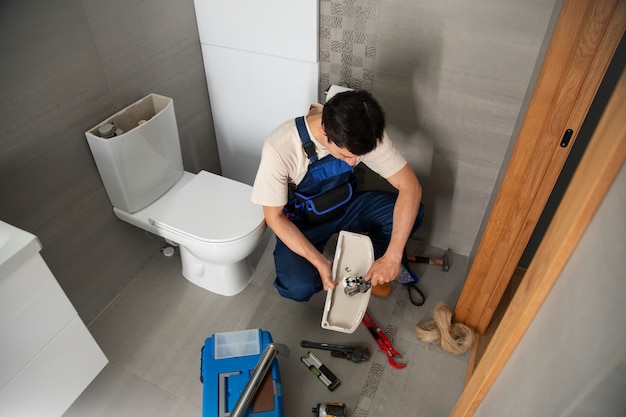
Moisture intrusion can silently undermine the structural integrity of any building in Portland. Hidden damp spots foster mold growth, rot, and costly repairs that often go unnoticed until significant damage occurs. Implementing precise moisture mapping is the most effective way to detect, assess, and mitigate these risks before they become emergencies. This article outlines the key benefits of professional moisture mapping services, the technology behind accurate assessments, and practical steps property owners can take to protect their investments.
Why Moisture Mapping Is Essential for Portland Properties
- Early detection: Identifies hidden moisture pockets that visual inspections miss.
- Targeted remediation: Allows contractors to focus on problem areas, reducing labor and material costs.
- Preventative maintenance: Provides data for long-term building health plans.
- Health protection: Limits mold spores that can trigger allergies and respiratory issues.
How Professional Moisture Mapping Works
Advanced Sensor Technology
State-of-the-art hygrometers and infrared cameras scan walls, floors, and ceilings, capturing real-time humidity levels. The data is then plotted onto detailed floor plans, creating visual heat maps that highlight moisture concentrations.
Data Interpretation and Reporting
Trained specialists analyze the readings, correlating them with building materials, local climate patterns, and historical water intrusion events. The final report includes actionable recommendations, prioritizing repairs based on severity and potential impact.
Key Benefits of Choosing Expert Services
- Precision: Pinpoint accuracy reduces guesswork.
- Compliance: Meets local building codes and insurance requirements.
- Peace of mind: Provides documented evidence for future property transactions.
For a deeper dive into the methodology, Discover expert strategies here. The guide explains how thermal imaging integrates with moisture sensors to deliver a comprehensive view of hidden dampness.
Implementing Moisture Mapping in Your Property Management Plan
Step-by-Step Approach
- Schedule a professional assessment during the rainy season when moisture risks are highest.
- Review the moisture map and prioritize remediation based on severity.
- Implement corrective actions such as sealing cracks, improving ventilation, or installing dehumidifiers.
- Conduct follow-up scans to verify that moisture levels have returned to normal.
Cost-Effective Considerations
While the upfront investment may seem notable, the long-term savings from avoided water damage, mold remediation, and structural repairs far outweigh the initial expense. Many property owners find that a single comprehensive scan can prevent multiple future service calls.
To explore customized solutions for specific building types, Learn about our tailored solutions. This resource outlines how residential, commercial, and historic properties each benefit from specialized mapping techniques.
Choosing the Right Service Provider
- Certification and training of technicians.
- Use of calibrated, industry-standard equipment.
- Transparent reporting with clear visual aids.
- Positive client feedback and verified reviews.
Prospective clients can verify credibility by checking independent feedback. Check out customer reviews here to see real-world experiences and satisfaction levels.
Future Trends in Moisture Mapping
Emerging technologies such as drone-based infrared scanning and AI-driven moisture prediction models are set to enhance accuracy and speed. Staying informed about these advances ensures that property owners can adopt the most effective strategies as they become available.
For those interested in staying ahead of the curve, Explore advanced guides and tips. The portal offers insights into upcoming tools and best practices that will shape the next generation of moisture management.
Take Action Today
Protecting a property from hidden moisture is a proactive investment. By leveraging professional moisture mapping, Portland homeowners and managers can safeguard structural integrity, maintain healthy indoor environments, and preserve property value. Schedule an assessment, review the detailed reports, and implement the recommended actions to ensure a dry, resilient building for years to come.
About the Author