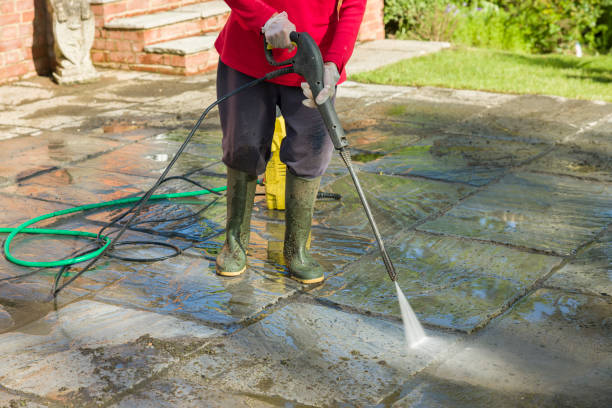
A well-maintained exterior not only enhances curb appeal but also protects a property from long-term damage caused by grime, mold, and environmental pollutants. Pressure washing offers a fast, efficient, and cost-effective method to remove stubborn stains, algae, and debris from a variety of surfaces. By understanding the fundamentals of the process, such as appropriate pressure levels, suitable cleaning agents, and safety protocols, property owners can achieve a pristine finish while extending the lifespan of their building materials. The following guide outlines key considerations, best practices, and maintenance tips for anyone looking to achieve a spotless exterior through professional-grade pressure washing.
Why Choose Pressure Washing?
Pressure washing delivers high-velocity water streams that break down and lift contaminants far more effectively than traditional scrubbing. The technique is adaptable to many exterior materials, making it a versatile solution for residential and commercial properties alike.
Core Benefits
- Removes mold, mildew, and algae that can degrade surfaces over time.
- Restores original colour and texture without the need for repainting.
- Improves safety by eliminating slippery residues on walkways and decks.
- Enhances property value through improved aesthetic appeal.
- Reduces long-term maintenance costs by preventing decay.
For a deeper dive into the advantages of this method, Read more about this topic.
Common Exterior Surfaces and Their Requirements
Different materials respond uniquely to pressure and cleaning solutions. Selecting the correct approach prevents damage and ensures optimal results.
Typical Surfaces
- Concrete and brick: Tolerates higher pressures; ideal for driveways, patios, and walkways.
- Wood decks and fences: Requires lower pressure and a gentle nozzle to avoid splintering.
- Metal railings and gutters: Medium pressure removes rust and oxidation without pitting.
- Stone and pavers: Variable pressure based on porosity; use a wide-angle spray to avoid erosion.
Vinyl siding: Moderate pressure with a fan-tip nozzle prevents warping.
If you need guidance on selecting the right pressure settings for specific surfaces, Learn more in this detailed guide.
Choosing the Right Pressure Settings
Pressure is measured in pounds per square inch (PSI) and water flow in gallons per minute (GPM). Balancing these two variables determines cleaning efficiency and safety.
Guideline Chart
- Low pressure (500-800″?PSI, 1.5-2.0″?GPM) – suitable for delicate surfaces such as painted wood or soft stone.
- Medium pressure (800-1500″?PSI, 2.0-2.5″?GPM) – works well on vinyl siding, asphalt shingles, and most paved areas.
- High pressure (1500-3000″?PSI, 2.5-4.0″?GPM) – reserved for tough grime on concrete, brick, and heavily soiled driveways.
Understanding how to match pressure to material helps avoid costly repairs. For an in-depth explanation of pressure-setting selection, Explore further insights here.
Safety Precautions
Even though pressure washing is straightforward, improper use can cause injury or surface damage. Adhering to safety protocols protects both the operator and the property.
Essential Safety Measures
- Wear protective eyewear, gloves, and non-slip footwear.
- Never point the nozzle at people, pets, or electrical outlets.
- Test a small, inconspicuous area before full-scale cleaning.
- Secure loose items (planters, outdoor furniture) to prevent them from being displaced.
- Maintain a safe distance, typically 12-24 inches, from the surface, adjusting as needed.
For comprehensive safety guidelines, Find additional information here.
Environmental Considerations
Pressure washing can impact the surrounding environment if runoff is not managed correctly. Implementing eco-friendly practices minimizes harm to plants, wildlife, and local waterways.
Best Practices
- Use biodegradable detergents that break down quickly.
- Contain runoff with tarps or absorbent mats, especially on landscaped areas.
- Schedule cleaning during dry weather to reduce water pooling.
- Dispose of any collected waste according to local regulations.
Guidelines on sustainable pressure washing methods are available at Read more about this topic.
Maintenance Tips After Pressure Washing
A clean exterior is easier to maintain when regular upkeep is incorporated into routine property care.
Post-Cleaning Routine
- Inspect surfaces for residual stains and spot-clean as necessary.
- Apply protective sealants on stone, concrete, or wood to repel future dirt.
- Trim vegetation away from walls to reduce mold growth.
- Schedule periodic pressure washing, typically once a year for most climates.
- Keep drainage pathways clear to avoid water stagnation.
For a schedule template and additional upkeep advice, Learn more in this detailed guide.
Conclusion
Professional pressure washing remains one of the most effective techniques for preserving the appearance and integrity of exterior surfaces. By selecting appropriate pressure levels, respecting material sensitivities, and adhering to safety and environmental standards, property owners can achieve a spotless finish that enhances both aesthetics and durability. Regular maintenance, combined with informed cleaning practices, ensures that the exterior remains resilient against the wear and tear of everyday exposure.
About the Author