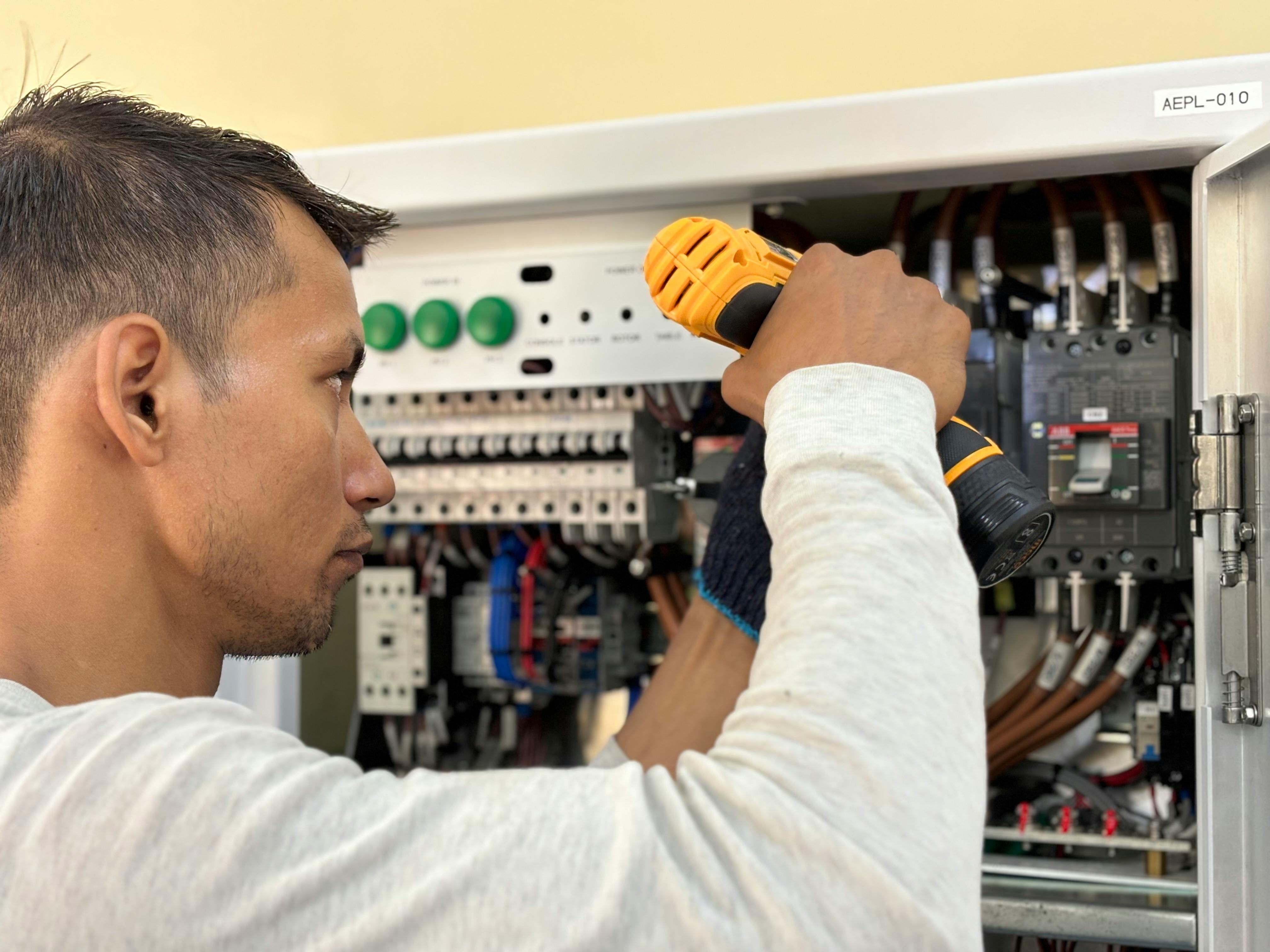
In the realm of electrical systems, ensuring efficiency, reliability, and safety is paramount. One crucial aspect of maintaining such systems involves thorough testing procedures, such as 15kV electrical testing. This process plays a vital role in evaluating the integrity and performance of electrical equipment, specifically in medium and high voltage systems. By exploring the benefits of 15kV testing, stakeholders can make informed decisions to enhance the safety and functionality of their electrical infrastructures.
Understanding 15kV Electrical Testing
15kV electrical testing is a specialized procedure designed to evaluate the insulation and performance of electrical components, particularly those in medium voltage electrical testing environments. This testing method is essential for identifying potential weaknesses within the system that could lead to failures or inefficiencies.
Key Components of 15kV Testing
- Insulation Resistance Testing: This assesses the quality and durability of insulating materials in the system.
- Dielectric Withstand Testing: This evaluates the system’s ability to operate under high voltage conditions without breaking down.
- Partial Discharge Testing: This detects partial discharges that may indicate defects in the insulation system.
- Power Factor Testing: This measures the efficiency of the electrical system, ensuring minimal energy loss.
Advantages of 15kV Electrical Testing
Implementing 15kV electrical testing provides numerous benefits that contribute significantly to the overall health and performance of an electrical system.
Prevention of System Failures
Regular testing helps in identifying potential issues before they escalate into significant problems. By addressing these issues proactively, electrical systems can avoid costly downtime and repairs.
Enhanced Safety
Safety is a critical concern in any electrical environment. 15kV testing ensures that components are functioning correctly and are safe to operate, reducing the risk of electrical hazards.
Cost Efficiency
By preventing failures and extending the lifespan of electrical components, 15kV testing leads to cost savings. This proactive approach minimizes the need for emergency repairs and replacements.
Improved Reliability and Performance
Testing enhances the reliability of electrical systems by ensuring all components are operating at optimal levels. This reliability translates into improved system performance and efficiency.
Compliance with Industry Standards
Adhering to industry standards, such as those set by NETA electrical testing, is crucial for maintaining safety and performance in electrical systems. 15kV electrical testing helps ensure compliance with these standards, contributing to the overall quality and safety of the system.
Applications of 15kV Electrical Testing
15kV electrical testing is applicable in various sectors where medium to high voltage electrical testing is required. These sectors include:
- Power Generation: Ensures reliable electricity production and efficient power distribution.
- Industrial Facilities: Maintains the integrity of electrical systems in manufacturing and processing plants.
- Utilities: Ensures the safe and efficient operation of power transmission and distribution networks.
- Construction: Verifies electrical installations in new construction projects, ensuring safety and compliance.
Conclusion
In conclusion, 15kV electrical testing is an indispensable part of maintaining modern electrical systems. By providing insights into the performance and integrity of these systems, this testing method helps prevent failures, enhance safety, and ensure compliance with industry standards. Whether it’s in power generation, industrial applications, or utility management, 15kV electrical testing remains a crucial process for optimizing the performance of medium and high voltage electrical systems. For those interested in expanding their knowledge, exploring related areas like 5KV electrical testing can offer additional insights into maintaining electrical safety and efficiency.
About the Author