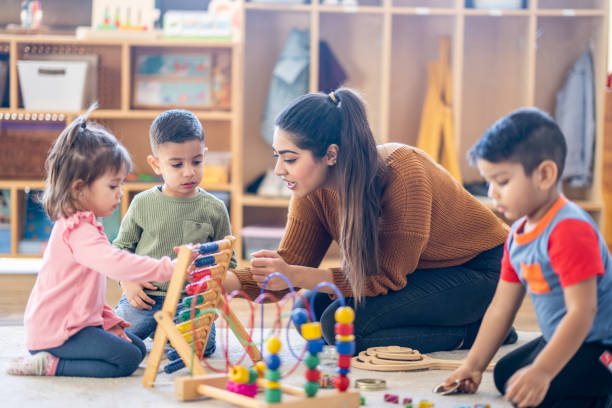
Child development in preschool is a crucial phase that lays the foundation for lifelong learning and well-being. During these formative years, children experience rapid growth in their cognitive, emotional, and social skills. High-quality preschool education supports this development, ensuring children are better prepared for the challenges of elementary school and beyond. This article explores strategies to support child development in preschool settings, emphasizing the importance of engaging environments, skilled educators, and tailored approaches.
The Role of Play in Child Development
Play is a fundamental part of childhood and a critical component of effective preschool education. Through play, children learn to interact with their peers, develop language skills, and solve problems. In a preschool setting, play can be both structured and unstructured:
- Structured Play: Activities guided by teachers, such as games and storytelling, help children follow instructions and work within set boundaries.
- Unstructured Play: Free play allows children to explore their interests, fostering creativity and independence.
For more insights on the role of play in early childhood education, discover expert strategies here.
Creating a Stimulating Environment
Physical Environment
A well-designed preschool environment stimulates learning and development. It should be safe, welcoming, and equipped with a variety of materials that cater to different learning styles. Important aspects include:
- Diverse Learning Materials: Books, art supplies, and educational toys that encourage exploration and discovery.
- Flexible Spaces: Areas that can be adapted for different activities, such as quiet reading corners and active play zones.
- Visual Stimuli: Bright colors and engaging displays that capture children’s attention and spark curiosity.
To learn about our tailored solutions for creating optimal learning environments, find out more about this approach.
Emotional Environment
Equally important as the physical setup is the emotional atmosphere of the preschool. Children thrive in environments where they feel safe, supported, and valued. Key elements include:
- Positive Relationships: Teachers who build strong, nurturing connections with each child.
- Inclusive Culture: Celebrating diversity and ensuring every child feels a sense of belonging.
- Emotional Support: Providing guidance to help children express their feelings and resolve conflicts.
Explore advanced guides and tips on fostering a supportive emotional environment here.
The Importance of Skilled Educators
Educators play a pivotal role in supporting child development during preschool years. It is essential for teachers to be well-trained in early childhood education and to possess the skills necessary to engage young learners effectively. Key attributes of skilled educators include:
- Adaptability: The ability to tailor teaching methods to meet the individual needs of each child.
- Communication Skills: Engaging with children, parents, and colleagues effectively.
- Continuous Learning: Staying updated with the latest educational research and practices.
To learn about the impact of skilled educators on preschool development, explore advanced guides and tips.
Conclusion
Supporting child development in preschool involves a holistic approach that encompasses play, environment, and education. By fostering a stimulating and supportive atmosphere, preschool programs can significantly influence a child’s growth and readiness for future academic and personal success. For more comprehensive insights and solutions tailored to preschool education, learn about our tailored solutions.
About the Author

.webp)