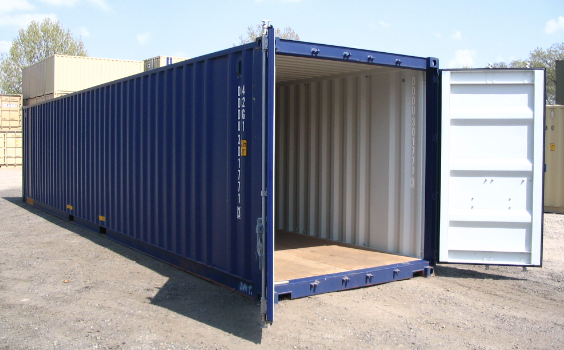
In the rapidly evolving landscape of construction and real estate, the demand for speed, efficiency, and flexibility is more prominent than ever. Modular building solutions have emerged as a viable answer to these needs, offering a pathway to achieve faster occupancy rates. By leveraging the benefits of modular construction, stakeholders can significantly reduce project timelines, enhance sustainability, and improve cost-efficiency. This article explores how modular building solutions can drastically improve occupancy rates and what makes them an ideal choice for modern construction projects.
Understanding Modular Building Solutions
Modular building involves constructing sections of a building, known as modules, in a factory setting before transporting them to the final site for assembly. This method stands in contrast to traditional construction, where all building activities occur on-site. Modular construction offers several advantages that contribute to increased occupancy rates:
- Speed: Modules are built simultaneously with site preparation, significantly reducing construction time.
- Quality Control: Factory settings offer controlled environments, ensuring consistent quality standards.
- Reduced Waste: Pre-fabrication helps minimize material waste and supports sustainability efforts.
- Flexibility: Design flexibility allows for easy customization to meet specific needs.
Factors Contributing to Fast Occupancy
Several factors inherent in modular building solutions contribute to achieving faster occupancy rates:
Parallel Construction Processes
One of the most significant advantages of modular construction is the ability to perform site work and module construction simultaneously. This parallel process can cut project timelines by 30% to 50%. For more detailed insights into this process, read more about this topic.
Weather Independence
Traditional construction is often hindered by adverse weather conditions. However, since a large portion of modular construction occurs indoors, weather-related delays are minimized. This aspect is crucial for maintaining steady progress and achieving rapid project completion. Explore further insights here.
Cost Efficiency and Sustainability
Modular building solutions not only expedite occupancy but also offer cost benefits and support sustainability:
Cost Savings
Factory construction minimizes labor costs and reduces waste, making modular solutions a cost-effective alternative. The streamlined process also cuts down on expensive site labor and reduces the need for costly rework. Learn more in this detailed guide.
Sustainability
Environmental sustainability is a growing concern in the construction industry. Modular building significantly reduces waste and often incorporates eco-friendly materials, making it an attractive option for environmentally conscious projects. Find additional information here.
The Future of Modular Construction
The future of construction is leaning heavily towards modular solutions as they align with the industry’s shift towards sustainability, efficiency, and rapid urbanization. With advancements in technology and increased adoption, modular construction is set to play a pivotal role in reshaping the industry.
Modular building solutions are not just a trend; they represent a transformative approach to construction that meets contemporary needs for speed, quality, and sustainability. As the industry continues to evolve, those who adopt modular methods are likely to stay ahead of the curve, reaping the benefits of faster occupancy rates and enhanced project outcomes.
About the Author

.webp)